Table of Contents
ToggleLow back pain is one of the most frequent health concerns faced by adults across the United States, and residents of Houston and its nearby communities are no exception. The bustling lifestyle, combined with various occupational and environmental factors, often places significant stress on the lumbar region. In this context, you might have come across the term “what is lumbago” when searching for answers regarding your discomfort. Lumbago is a term that broadly refers to pain or ache localized in the lower back, but its meaning and implications extend beyond a simple diagnosis.
Understanding the lumbago meaning is an important first step in addressing persistent lumbar spine pain. Dr. Silky Patel, a respected back pain doctor near me frequently sought after in Houston, explains that lumbago is commonly used to describe episodes of lower back pain caused by multiple potential factors, from muscle strain to degenerative changes. Unlike specific nerve-related conditions, lumbago generally refers to a more diffuse or nonspecific sensation of pain in the lumbar area. This distinction matters when considering lumbar spine pain treatment, as it guides how care providers evaluate and manage symptoms based on the underlying cause.
If you have experienced chronic lumbar pain that interferes with daily activities, you likely understand the frustration and limitations that may come with it. The challenge lies in identifying the lower back pain causes that contribute to your unique symptoms. Lumbago serves as an umbrella term encompassing various conditions affecting muscles, ligaments, joints, and discs in the lumbar region. Dr. Silky Patel emphasizes that while lumbago symptoms and treatment strategies may vary widely, what remains consistent is the importance of a thorough evaluation to tailor approaches that fit the individual’s needs.
For those searching for a “back pain doctor near me” or “spine clinic near me” in the Houston area, knowing about lumbago helps set realistic expectations. Treatments may include physical therapy, movement techniques, or interventional procedures such as injections targeting lumbar facets and related structures. These options are designed to support the body’s natural response to discomfort and promote improved function where possible. Dr. Silky Patel’s expertise as Director of Pain Management at Houston Methodist West Hospital allows patients in Houston and surrounding areas to access comprehensive evaluation and symptom management options suited to the complexities of lumbago and associated back pain.
Understanding What Is Lumbago: Definition and Context
What Is Lumbago? A Clear Explanation
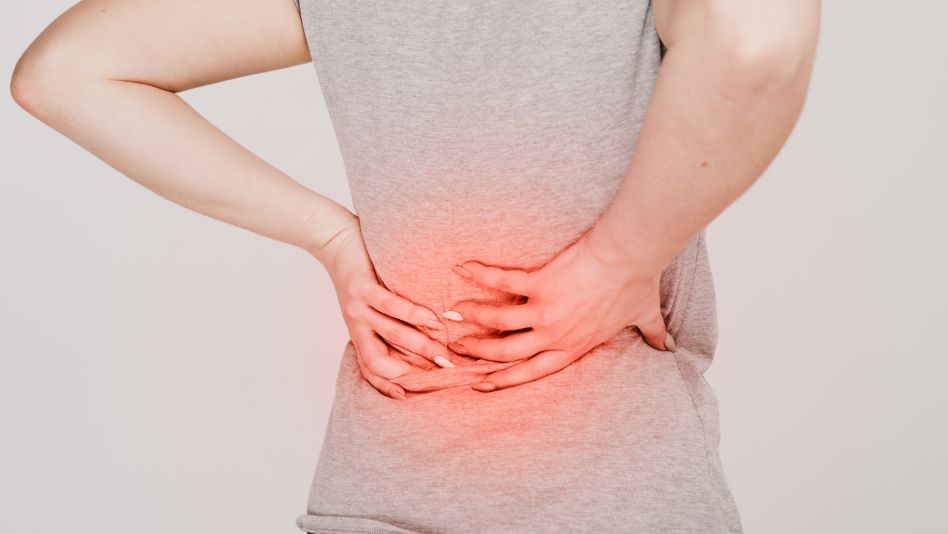
Lumbago is a term frequently used both by healthcare professionals and patients, but it can mean slightly different things depending on the context. Clinically, lumbago generally refers to pain localized in the lower back region, without specifying a precise underlying cause. It is often described as aching, stiffness, or discomfort centered around the lumbar spine—the area between the lowest ribs and the pelvis.
In everyday language, people tend to use lumbago interchangeably with “lower back pain.” However, it is important to appreciate that while all lumbago is lower back pain, not all lower back pain is categorized simply as lumbago. Lower back pain may involve nerve irritation, such as sciatica, or more complex structural issues in the spine. Lumbago emphasizes the symptom of pain in the lower back region itself rather than pinpointing its source. This distinction helps clinicians like Dr. Silky Patel develop a comprehensive musculoskeletal evaluation tailored to each patient’s discomfort.
The Medical Meaning of Lumbago
The term lumbago originates from Latin, where “lumbus” means loin or lower back, and the suffix “-ago” relates to pain or distress. It has been used historically in medical texts to describe nonspecific lower back pain without necessarily identifying a disease process. In contemporary practice, lumbago remains a broad descriptor rather than a diagnosis.
Differentiating lumbago from other spine-related terminology is essential in clinical care. For example, sciatica refers to nerve root irritation causing radiating leg pain, whereas lumbar radiculopathy specifically indicates nerve dysfunction from compression or inflammation in the lumbar nerve roots. Lumbago does not typically include these nerve-specific symptoms but centers on localized lumbar discomfort, including pain arising from muscles, ligaments, joints, or discs. Dr. Silky Patel highlights this nuance in her role both as a back pain doctor near me in Houston and as a Clinical Assistant Professor of Neurosurgery, ensuring that terminology guides evaluation and lumbar spine pain treatment without conflating different conditions.
Why Houston Residents Should Know About Lumbago
The prevalence of low back pain in Houston and nearby areas is notable due to a blend of factors such as physical labor demands, sedentary office work, and environmental considerations like humidity and heat. Individuals working in construction, industrial roles, or office environments often report symptoms consistent with lumbago. Chronic lumbar pain can develop when initial episodes of lumbago are left unaddressed or when lifestyle factors continue to strain the lumbar region.
Awareness about lumbago and its meaning empowers Houston residents to seek timely evaluation at a spine clinic near me or with a back pain doctor near me offering services tailored to the unique demands of their occupations and lifestyles. Dr. Silky Patel’s approach integrates understanding these local influences when assessing patients, ensuring that lumbar spine pain treatment strategies consider daily activities, ergonomics, and long-term spine health. Knowing “what is lumbago” is the first step towards addressing discomfort proactively and exploring care options designed to support continued function and quality of life in Houston’s dynamic environment.
Common Lower Back Pain Causes Often Labeled as Lumbago
Primary Underlying Factors Contributing to Lumbago
Several factors can contribute to the pain commonly referred to as lumbago, reflecting the complexity of lower back pain causes. One of the most frequent sources is muscular strain and ligament sprain. These occur when muscles or ligaments around the lumbar spine are overstretched or injured, often from sudden movements, lifting heavy objects incorrectly, or prolonged physical stress. The resulting inflammation and micro-tears can generate aching or stiffness that patients identify as lumbago.
Poor posture and ergonomics play a significant role as well. In today’s world, many individuals spend long hours seated at desks or using mobile devices, often with inadequate back support or improper positioning. This sustained poor posture creates imbalanced stress on lumbar muscles and joints, contributing to discomfort and pain. Repetitive activities without sufficient breaks can exacerbate these effects, leading to symptoms frequently described as lumbago.
Degenerative changes in the lumbar spine add another layer of complexity. Conditions such as facet arthrosis—arthritis affecting the small joints on the back of the spine—and degenerative disc disease involve gradual wear and tear of spinal structures. These changes can alter spine mechanics and may incite pain or stiffness in the lower back region. While these are common lower back pain causes, they might manifest as chronic lumbar pain if left unaddressed. Dr. Silky Patel emphasizes the importance of distinguishing these factors in her evaluation to help guide lumbar spine pain treatment.
Chronic Lumbar Pain: What Triggers Ongoing Symptoms?
A critical aspect to understand in the discussion of lumbago is the difference between acute and chronic lumbar pain. Acute pain typically arises suddenly, often from an identifiable injury or strain, and usually resolves within a few weeks with appropriate care. In contrast, chronic lumbar pain persists beyond the expected healing time, sometimes lasting for months or even years.
This persistent discomfort may result from ongoing inflammation, repeated microtraumas, or the body’s response to structural changes in the spine. Repetitive stress—whether from work-related activities or habitual movements—can perpetuate pain cycles by continuously irritating muscles, ligaments, or joints. Chronic lumbar pain often presents a more complex challenge for lumbar spine pain treatment and may require a multifaceted approach tailored by experienced providers such as Dr. Silky Patel in Houston.
Environmental and Occupational Causes
In Houston and surrounding areas, several environmental and occupational factors influence the prevalence of lumbago symptoms. Jobs requiring heavy lifting, such as in construction or warehouse settings, can place considerable strain on the lower back. Conversely, sedentary lifestyles characterized by prolonged sitting, including desk jobs or long driving hours common in metropolitan settings, contribute to muscle deconditioning and poor posture.
Houston’s humid and hot climate may also affect muscle fatigue and discomfort, particularly in outdoor workers exposed to prolonged heat. These factors combine uniquely in the Houston community, making awareness and preventive measures crucial for spine health.
To mitigate strain on the lumbar spine, simple yet effective preventive tips can be invaluable. Maintaining proper posture during work and leisure, incorporating regular stretches and strengthening exercises, and using ergonomic furniture or supportive devices can reduce the risk of developing or worsening lumbago symptoms. Dr. Silky Patel advises patients in Houston to integrate these strategies as part of a comprehensive plan that complements individualized lumbar spine pain treatment. For individuals searching for a “back pain doctor near me” or “spine clinic near me” in Houston, tailored guidance that considers these environmental and occupational factors is an essential component of care.
Recognizing Lumbago Symptoms and Identifying When to Seek Help
Common Lumbago Symptoms
Lumbago typically presents as localized pain in the lower back that can range from mild discomfort to more pronounced aching or stiffness. Patients often describe a persistent dull soreness concentrated in the lumbar region without sharp or radiating qualities. This localized pain may intensify after prolonged sitting, standing, or physical activity, reflecting the strain placed on muscles, ligaments, and joints.
Associated stiffness and limited range of motion frequently accompany lumbago symptoms. For example, you might notice difficulty bending forward, twisting, or rising from a seated position without discomfort. This stiffness can contribute to a sense of reduced flexibility in the lower back region and affect daily activities.
Occasionally, lumbago may involve referral of pain into nearby areas such as the hips or upper thighs. Importantly, these referred sensations generally do not follow nerve patterns or produce neurological symptoms like numbness or tingling. Dr. Silky Patel stresses that understanding the difference between localized pain and nerve-related symptoms is crucial when considering lumbar spine pain treatment options.
Signs Indicating More Serious Conditions
While many instances of lumbago resolve with conservative care, some symptoms warrant immediate professional attention. Red-flag signs include numbness, weakness in the legs, loss of bladder or bowel control, or severe and unrelenting pain that does not improve with rest. These symptoms may indicate nerve involvement or other serious underlying issues requiring prompt evaluation at a specialized spine clinic.
Differentiating typical lumbago pain from these more serious conditions is vital. Lumbago tends to involve localized muscle or joint discomfort without neurological deficits. In contrast, symptoms like shooting pain down the legs, muscle weakness, or sensory changes often suggest lumbar radiculopathy or other nerve-related problems. Patients in Houston searching for a “back pain doctor near me” should ensure their provider performs a thorough assessment to rule out these concerning signs.
The Value of Early Evaluation by Dr. Silky Patel in Houston
Early evaluation plays a pivotal role in effectively managing symptoms associated with lumbago. Dr. Silky Patel, who serves as Director of Pain Management at Houston Methodist West Hospital and Clinical Assistant Professor of Neurosurgery at UT–Houston Medical School, emphasizes the importance of a comprehensive musculoskeletal examination. This includes a detailed history, physical assessment, and when necessary, imaging studies to accurately characterize the nature of the lumbar spine pain.
Prompt diagnosis can help guide lumbar spine pain treatment strategies suited to the individual’s needs. Whether it involves targeted physical therapy, ergonomic corrections, or interventional procedures such as injections into lumbar facets, muscles, and ligaments, early involvement of a specialist can optimize symptom relief and functional improvement. Houston residents experiencing lumbago symptoms are encouraged to seek evaluation without delay to explore tailored approaches designed to support the body’s natural response and improve quality of life.
Overview of Lumbar Spine Pain Treatment Approaches Available in Houston
Conservative Treatment Options for Lumbago
When considering what is lumbago and how to manage it, conservative treatment options often serve as the initial approach for many patients experiencing lumbar spine discomfort. Physical therapy is a cornerstone of these strategies, with exercise programs specifically designed to strengthen the core muscles that support the lower back. By enhancing muscular stability and flexibility, these exercises aim to reduce strain on spinal structures and improve functional mobility.
Postural correction and ergonomic adjustments represent another critical element in managing lumbago symptoms and supporting spine health. Poor posture and improper workstation setups can exacerbate lumbar spine pain, so individualized recommendations focusing on correct alignment during sitting, standing, and lifting are key. Ergonomic modifications tailored to a patient’s daily routine can minimize repetitive stress and reduce discomfort.
Pharmacologic options may also be incorporated cautiously for symptom relief. Medications designed to reduce pain and inflammation, such as nonsteroidal anti-inflammatory drugs (NSAIDs) or muscle relaxants, can help patients manage episodes of lumbago. Dr. Silky Patel notes that while these treatments provide temporary relief, they are ideally used in combination with other conservative measures to support longer-term symptom management without reliance solely on medications.
Interventional Procedures and Pain Management
For some patients, conservative care alone may not fully address persistent lumbago symptoms. In such cases, minimally invasive interventional procedures can be considered as part of a comprehensive lumbar spine pain treatment plan. These options include targeted injections into lumbar facets, muscles, and ligaments, designed to help decrease pain and inflammation in localized areas.
It is important to understand that these injections are used as supportive options and are designed to complement the body’s natural healing responses. Results can vary depending on the patient and specific condition, and there is no guarantee of predictable or lasting outcomes. Dr. Silky Patel, serving Houston and surrounding areas as Director of Pain Management at Houston Methodist West Hospital, emphasizes the importance of personalized evaluation and careful patient selection to optimize benefits.
These interventional treatments are typically recommended following a thorough assessment that includes identifying the precise sources of pain and determining the most suitable approach for each individual. This multidisciplinary perspective helps ensure that patients receive lumbar spine pain treatment aligned with their unique circumstances and goals.
When to Consult a Back Pain Doctor Near Me or Visit a Spine Clinic Near Me
Given the complexities of lumbago symptoms and treatment, consulting an experienced back pain doctor near me in Houston is advisable when low back pain becomes persistent, worsens, or limits daily activities. Early and personalized evaluation allows for accurate diagnosis and the formulation of a tailored management plan.
Patients seeking care at a reputable spine clinic near me can benefit from multidisciplinary services ranging from physical rehabilitation to advanced pain management options. Dr. Silky Patel, with her extensive expertise as a Clinical Assistant Professor of Neurosurgery at UT–Houston Medical School and Director of Pain Management, leads a patient-centered approach that prioritizes comprehensive evaluation and evidence-informed lumbar spine pain treatment strategies. Houston residents are encouraged to explore these options proactively to support their spine health and mobility.
Tips for Preventing Lumbago and Maintaining Lower Back Health
Lifestyle Modifications to Support Lumbar Spine Wellness
Maintaining a healthy and pain-free lower back starts with proactive lifestyle choices that promote lumbar spine wellness. Staying active through safe and consistent exercise routines is fundamental. Activities that focus on core strengthening, flexibility, and low-impact aerobic conditioning can support the muscles that stabilize the spine. Exercises like swimming, walking, or tailored physical therapy regimens help maintain mobility and reduce the risk of lumbago symptoms.
Equally important are proper lifting techniques and workplace ergonomics. Whether on the job or at home, lifting heavy objects incorrectly can strain the lumbar region, increasing the likelihood of pain or injury. Bending at the knees instead of the waist, keeping the object close to the body, and avoiding twisting motions during lifting are practical strategies. Additionally, adjusting workspace setups — including chair support, desk height, and computer screen positioning — helps minimize undue lumbar stress during extended periods of sitting or standing.
Weight management and nutrition also play a meaningful role in reducing lower back pain causes. Excess body weight places additional pressure on the lumbar spine and surrounding tissues, which can exacerbate discomfort. A balanced diet rich in anti-inflammatory foods and essential nutrients supports overall musculoskeletal health and can indirectly contribute to preventing chronic lumbar pain.
Community Resources in Houston and Surrounding Areas
Residents of Houston and nearby communities have access to various local wellness programs focused on spine health and general well-being. Many community centers and healthcare facilities offer spine health workshops, exercise classes, and educational seminars that promote awareness of lumbago symptoms and treatment options. These programs often provide guidance on posture, ergonomics, and safe movement techniques tailored to different age groups and activity levels.
Finding specialized back pain clinics and pain management centers in Houston is increasingly accessible. These centers provide multidisciplinary care involving physical therapists, pain specialists, and rehabilitation experts, working together to create personalized plans for lumbar spine pain treatment. For individuals seeking comprehensive support, resources to locate a qualified “back pain doctor near me” or a trusted “spine clinic near me” are widely available and can be invaluable for those aiming to manage or prevent low back discomfort effectively.
When to Schedule a Screening or Consultation with Dr. Silky Patel
Taking proactive steps for ongoing spine health is crucial, especially for those experiencing recurring or persistent lower back pain. Scheduling a screening or consultation with Dr. Silky Patel, who serves Houston and surrounding areas as both a Clinical Assistant Professor of Neurosurgery and Director of Pain Management at Houston Methodist West Hospital, can provide tailored insights into your specific lumbar spine condition.
Early evaluation by Dr. Patel enables a detailed musculoskeletal assessment to identify potential issues before they progress to chronic lumbar pain. Timely intervention supports the development of individualized lumbar spine pain treatment plans that align with your lifestyle and health goals. Whether you seek advice on prevention, symptom management, or specialized procedures, consulting with a knowledgeable back pain doctor near me in Houston can enhance your capacity to maintain long-term lumbar spine wellness.
A Note from Dr. Silky Patel
As a Clinical Assistant Professor of Neurosurgery and Director of Pain Management serving Houston and nearby communities, I know firsthand how lower back pain can affect everyday life. Understanding what is lumbago and recognizing its symptoms is an important first step. However, equally essential is obtaining a personalized evaluation that considers the unique aspects of your condition and guides a tailored management plan.
At my practice, I emphasize comprehensive assessment to explore all potential contributing factors to your discomfort. Whether you are dealing with acute episodes or chronic lumbar pain, careful use of available lumbar spine pain treatment options can help support your body’s natural responses and improve comfort. My goal is to help patients in Houston and the surrounding areas understand their lumbago meaning thoroughly and to navigate treatment choices that align with their lifestyle and health goals.
If you experience ongoing lower back discomfort or are seeking guidance on managing lumbago symptoms and treatment, I encourage you to reach out for an evaluation. Together, we can explore approaches designed to support your function and quality of life based on your individual needs. Finding a trusted back pain doctor near me or a reputable spine clinic near me in Houston can be the first step toward meaningful symptom management and enhanced spinal wellness.