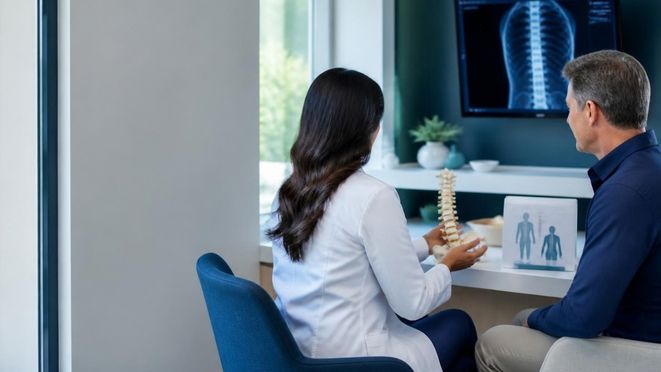
Spinal Cord Stimulation in Houston, Texas

Home Spinal Cord Stimulation

Board-Certified Pain Management Physician - Dr. Silky Patel MD

Expert Spinal Cord Stimulation Evaluation and Interventional Care

Board-Certified Pain Management Physician

Persistent Pain That Affects Your Daily Life

Daily Challenges Caused by Persistent Pain

Daily Challenges Caused by Persistent Pain - Dr. Silky Patel MD

Understanding Spinal Cord Stimulation

Spinal cord stimulation is a type of neuromodulation that uses controlled electrical signals to influence how pain signals are processed. Understanding the different parts of the process can help patients know what to expect before deciding whether to move forward.

Spinal Cord Stimulator

A spinal cord stimulator is a small medical device that uses thin leads positioned near the spinal cord and a pulse generator that provides electrical stimulation. The system is programmed according to the patient’s individual needs.

Therapy

The electrical signals delivered by the system are intended to modify how pain signals are perceived. Spinal cord stimulation may help reduce pain or improve function in certain appropriately selected patients. Results vary from person to person.

Temporary Trial

Patients generally complete a temporary trial before permanent implantation is considered. The trial allows the patient and physician to assess how symptoms and everyday function respond to spinal cord stimulation.

Permanent System

If the trial provides an appropriate individual response and the patient remains a suitable candidate, a permanent spinal cord stimulator may be discussed. The leads and pulse generator are then positioned beneath the skin.

Device Programming

Spinal cord stimulators can be programmed according to the specific system and the patient’s pain pattern. Settings may be adjusted during follow-up to support comfort and symptom management.

Ongoing Follow-Up

Care continues after implantation. Follow-up appointments allow Dr. Patel to monitor recovery, review the patient’s response, provide activity guidance, and coordinate programming adjustments when appropriate.

Is Persistent Pain Keeping You From Doing What Matters?

If ongoing pain continues to interfere with work, sleep, movement, or everyday activities, an evaluation can help determine whether spinal cord stimulation or another interventional option may be appropriate for you.

Pain Patterns That May Lead to Spinal Cord Stimulation Evaluation - Dr. Silky Patel MD

Is Persistent Pain Affecting You at Work?

Pain Patterns That May Lead to Spinal Cord Stimulation Evaluation

What Doctors Review Before Considering a Spinal Cord Stimulator

Common Factors in Spinal Cord Stimulation Candidacy

Common Factors in Spinal Cord Stimulation Candidacy - Dr. Silky Patel MD

When Should You See a Spinal Cord Stimulation Specialist?

A consultation may be appropriate when persistent pain continues to affect everyday function despite previous care. Meeting with an interventional pain physician does not mean you are committing to a spinal cord stimulator. The purpose is to understand your symptoms and determine whether further evaluation may be appropriate.

silky-patel-about-1
Dr. Silky Patel, MD

Interventional Spine & Pain Management Specialist

A Stepwise Approach Before Implantation

Dr. Silky Patel’s Approach to Spinal Cord Stimulation

Dr. Silky Patel follows an evaluation-first approach to spinal cord stimulation. She begins by reviewing the patient’s symptoms, medical history, previous treatments, procedures, imaging, and current functional limitations.

The goal is to determine whether the pain pattern and clinical findings make spinal cord stimulation reasonable to consider. If another pain source or care option should be addressed first, that becomes part of the discussion.

When spinal cord stimulation candidacy is appropriate, Dr. Patel explains the trial process so the patient understands what will happen and what changes in pain and daily function should be monitored during the trial period.

If permanent implantation is considered after the trial, care continues through the procedure and follow-up. Dr. Patel provides individualized guidance regarding recovery, activity restrictions, device use, and ongoing programming based on the patient’s response.

Find Out Whether Spinal Cord Stimulation May Fit Your Care Plan

Persistent pain can have different contributing factors and does not have one solution for every patient. A detailed consultation can help determine whether a spinal cord stimulation trial should be considered based on your evaluation and diagnosis.

Benefits

Your Comfort, Function, and Pain Management Goals Come First

Your Comfort, Function, and Pain Management Goals Come First - Dr. Silky Patel MD

Put Yourself in Great Hands!

Individualized spinal cord stimulation evaluation

Temporary trial before permanent implantation

Image-guided spinal cord stimulator procedure

Programming based on individual patient needs

Ongoing follow-up and device management

Focus on pain reduction and everyday function

Spinal Cord Stimulation Process in Houston

Spinal cord stimulation is generally a stepwise process. Evaluation comes first, followed by a temporary trial when appropriate. Permanent implantation is considered only after the trial response and the patient’s overall candidacy are reviewed.

Evaluation & Treatment Planning

Dr. Patel reviews your pain pattern, medical history, diagnostic findings, previous care, medications, and functional limitations. If spinal cord stimulation may be appropriate, she explains the staged process, potential risks, and the role of a temporary trial before any permanent device is considered.

Trial Preparation & Guidance

Before the trial, patients receive individualized instructions about medications, eating, transportation, activity, and what to expect after temporary lead placement. The planned lead location is based on the pain pattern, diagnosis, and system being considered.

Spinal Cord Stimulation Trial

Temporary leads are positioned near the spinal cord using image guidance and connected to an external stimulation system. During the trial period, the patient tracks changes in pain and everyday function while using the device as instructed.

Trial Review and Lead Removal

At the end of the trial, the temporary leads are removed and the response is reviewed. Dr. Patel considers symptom change, activity tolerance, device comfort, and the goals discussed before the trial when deciding whether permanent implantation should be considered.

Permanent Implantation When Appropriate

If the trial response supports moving forward and the patient remains an appropriate candidate, permanent implantation may be discussed. The leads and pulse generator are positioned beneath the skin, and the system is programmed according to the device and individual pain pattern.

Recovery, Programming, and Follow-Up

Recovery instructions may include temporary limits on bending, lifting, twisting, or strenuous activity while the procedure sites recover. Follow-up visits are used to monitor the incisions, review pain and function, and coordinate programming adjustments when appropriate.

Discuss Spinal Cord Stimulation With Dr. Silky Patel

If persistent pain continues to affect your work, movement, sleep, or everyday activities, Dr. Silky Patel can evaluate your symptoms and discuss whether spinal cord stimulation or another pain management option may be appropriate based on your clinical findings.

Discuss B12 Shots With Dr. Silky Patel - Dr. Silky Patel MD
Save Time and Summarize with AI

FAQs - Spinal Cord Stimulation

What is spinal cord stimulation?

Spinal cord stimulation is a neuromodulation procedure that uses a small medical device to deliver controlled electrical signals near the spinal cord. These signals influence how pain signals are processed.

How does a spinal cord stimulator work?

Thin leads deliver electrical stimulation near the spinal cord while a pulse generator powers the system. The device can be programmed based on the patient’s pain pattern and individual response.

Who may be a candidate for spinal cord stimulation?

Candidacy depends on diagnosis, pain characteristics, previous care, overall health, functional limitations, and other clinical factors. A detailed evaluation is required before a trial is recommended.

Can spinal cord stimulation be considered for back pain?

Spinal cord stimulation may be considered for certain patients with persistent back pain depending on the diagnosis, previous treatments, and individual clinical findings. It is not appropriate for every type of back pain.

Can spinal cord stimulation be considered for nerve-related pain?

Certain persistent nerve-related pain patterns may lead to a spinal cord stimulation evaluation. The source, distribution, diagnosis, previous care, and effect of symptoms on daily function all influence candidacy.

What happens during a spinal cord stimulation trial?

Temporary stimulation leads are positioned near the spinal cord and connected to an external system. During the trial period, the patient monitors changes in pain and function before the temporary leads are removed.

Is a spinal cord stimulator implanted immediately?

Usually, no. A temporary trial is generally completed first. Permanent implantation may then be considered if the trial response is appropriate and the patient continues to meet candidacy requirements.

What is spinal cord stimulation recovery like?

Recovery varies depending on the procedure and patient. After permanent implantation, temporary restrictions on activities such as bending, lifting, twisting, or strenuous exercise may be recommended while the procedure sites recover.

What should I bring to a spinal cord stimulation consultation?

Bring relevant imaging, medical records, previous procedure information, and an updated medication list. Be prepared to discuss where your pain occurs, previous care, and how symptoms affect your daily activities.