Table of Contents
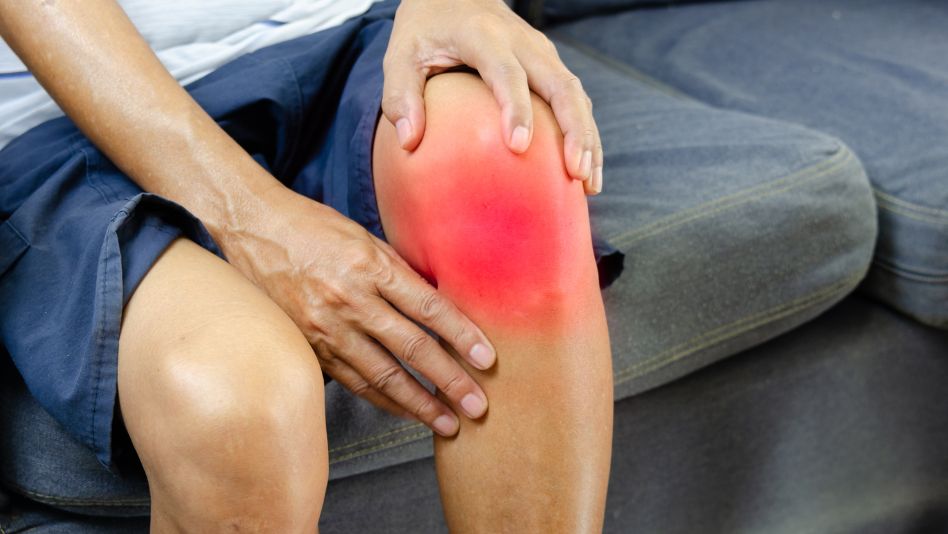
ToggleMost people are concerned about knee sprain recovery time, how long does a knee sprain take to heal, and what will be the sprained right knee recovery time, once they get the effective treatment for a sprained knee which refers to torn or overstretched ligaments. As you know, knee sprains are one of the most common injuries in sports and physical activity. When a person’s knee is twisted, the ligaments (tissues that hold the bones together) around the knee joint are stretched or torn. Therefore, an individual has to deal with mild to severe pain due to sprained knees.
The severity of a knee sprain can vary from person to person depending on their age, activity, and how they landed on their leg. Some of the most common knee sprain causes are:
- A sudden twist/movement of the knee joint or ligament
- Injury during sports such as Basketball, Hockey, Skiing, and Wrestling
- Unintentional pressure on the knee joint while running or jumping
- Accidental knee bend by any activity
What is Knee Sprain?
A knee sprain is when the ligaments that connect the shin bone to the thigh bone are stretched or torn due to any sudden jerk or movement. The sprained knee usually happens because of an awkward twist of the knee, such as when a person falls on their outstretched leg and lands on their foot. It results in overstretching of one or more ligaments that support the knee and keep the joints and bones appropriately.
A knee sprain can be a mild injury or it may be severe depending on how much pressure is exerted on knee joints or ligaments. The severity of the injury depends on how much force was applied to the knee and how quickly it was applied. It is important to get medical attention right away if there are any signs of a more severe injury. Basically, there are 4 main knee ligaments, and they are:
- Medial collateral ligament (MCL)
- Lateral collateral ligament (LCL)
- Anterior cruciate ligament (ACL)
- Posterior cruciate ligament (PCL)
How Long Is The Knee Sprain Recovery Period?
Knee Sprains are characterized as stretching or tearing of the ligaments in or around a joint. They are categorized as either grade 1, 2, or 3 and often have varying degrees of swelling, bruising and pain. A grade 1 sprain is typically minor and doesn’t need any treatment, a grade 2 sprain will usually require some rest and reduced activity to allow healing to take place, and a grade 3 knee sprain is a full tear of the ligament and needs effective treatment for severe pain, bruises, and swelling.
Knee sprain recovery time is different for each and every patient. Some patients may recover within 6 to 8 weeks, while it takes longer than that to heal for some individuals. There are many factors that can affect the recovery time for a knee sprain. Some of the most common factors or conditions on which the recovery time of a sprained knee depends are,
- The severity of the injury
- Age of the patient
- Weight or Obesity
- The way your ligaments are torn or overstretched
- How well you are taking care of your knee
- Treatment you receive
A knee sprain is a tearing or stretching of one or more ligaments in the knee joint. It is one of the most common physical injuries to be found among people who are actively participating in sports and outdoor activities. We recommend consulting with a professional knee pain doctor to know the sprained knee recovery time – Weeks or Months.
MCL Knee Sprain Recovery Time
MCL Sprained Knee is a condition that occurs when the MCL ligament in the knee is damaged. The MCL ligament connects the femur and tibia bones. An injury to this ligament can cause pain and instability in the knee. It can take up to six weeks for an MCL sprain to heal, but it can take longer if there are other injuries as well. MCL sprained knee recovery time will depend on the intensity and behavior of the torn or outstretched ligaments.
It is not uncommon for people with a sprained MCL to experience swelling, bruising, and pain at the site of injury. They may also have trouble walking or doing common activities due to discomfort from their injury. The severity of an MCL sprain will determine how long it takes for symptoms to subside and heal properly. For more information, you can visit a pain specialist to know the timeline and process of the knee sprain recovery.
Schedule A Friendly Appointment For Knee Sprain Treatment
A sprained knee is one of the most common injuries that can occur at any time in people’s life. The good news is that there are natural and effective ways to treat it and get you back on your feet in no time. Dr Silky Patel, a highly experienced and expert pain management specialist will offer excellent pain solutions and treatment for a knee sprain. She will examine your knee and check for any damage, swelling, or instability and suggest you the most suitable knee sprain recovery time and treatment. For patients who are dealing with more severe damage in the knee, an X-ray or MRI scan is suggested to analyze and offer treatment accordingly.
Although knee sprain treatment depends on the severity of the sprain, most people recover within a few weeks without needing surgery. Our pain management doctor might recommend rest, ice, compression, and elevation (RICE) along with anti-inflammatory drugs, or physical therapy. Book an appointment with Dr. Silky Patel by emailing her at silkypatelmd@gmail.comor click here. Get the latest updates on knee sprain and its treatments by following Dr. Silky Patel on Facebook, Instagram, Twitter, and LinkedIn.