Regenerative Therapy in Houston, Texas

Home Regenerative Therapy

Board-Certified Pain Management Physician - Dr. Silky Patel MD

Individualized Evaluation for Musculoskeletal and Spine-Related Symptoms

Board-Certified Pain Management Physician

When Persistent Musculoskeletal Pain Limits Your Routine

Daily Challenges That Can Lead Patients to Explore Additional Options

Daily Challenges That Can Lead Patients to Explore Additional Options - Dr. SIlky Patel MD

Understanding Regenerative Therapy

Regenerative therapy should be discussed in the context of the structure being evaluated and the purpose of the procedure. Dr. Patel uses these options as part of individualized symptom management rather than as disease treatment.

PRP

PRP is an orthobiologic option that may be placed into selected musculoskeletal or spine-related targets using image guidance. It is designed to support the body’s natural healing response and may help reduce pain or improve function in certain patients.

Orthobiologics

Orthobiologics is a broad category of procedure-based options considered within musculoskeletal care. Candidacy depends on evaluation and diagnosis, and the expected role is limited to qualified symptom support.

Image-Guided Placement

Ultrasound or fluoroscopy may be used according to the target. Image guidance helps Dr. Patel place the injection at the selected structure and tailor the procedure to individual anatomy.

Tendon and Ligament Applications

Persistent tendon or ligament-related pain may lead to discussion of PRP or other procedural options when rehabilitation alone has not provided enough symptom improvement. The diagnosis and location determine whether an injection is reasonable.

Spine-Related Applications

Dr. Patel may evaluate selected patients with facet-related, sacroiliac-region, fascia, muscle, ligament, or other spine-related symptoms for regenerative medicine options. Decisions are based on evaluation and diagnosis.

Joint-Related Applications

Follow-up may include reviewing symptoms, tolerance, laboratory testing when appropriate, and whether the injection schedule should continue or change. Ongoing needs differ from patient to patient.

Wondering Whether Regenerative Therapy Fits Your Care Plan?

A consultation can help determine whether PRP, another orthobiologic option, or a different pain-management strategy makes sense for your symptoms and diagnosis.

Pain Patterns That May Lead to a Regenerative Therapy Evaluation - Dr. SIlky Patel MD

Are Persistent Symptoms Limiting the Activities You Value?

Pain Patterns That May Lead to a Regenerative Therapy Evaluation

What Determines Regenerative Therapy Candidacy?

Common Factors Dr. Patel Reviews Before Discussing a Procedure

When Should You See a Regenerative Therapy Specialist?

A consultation can be useful when persistent musculoskeletal symptoms continue to interfere with function and you want to understand whether a procedure-based option belongs in the plan.

silky-patel-about-1
Dr. Silky Patel, MD

Interventional Spine & Pain Management Specialist

Start With the Structure, Not the Procedure Name

Dr. Silky Patel’s Approach to Regenerative Therapy

Dr. Silky Patel first identifies the structure most likely contributing to pain. She reviews symptom behavior, prior injuries, activity demands, physical findings, imaging, and response to previous care.

If a regenerative medicine option is being considered, Dr. Patel explains why the selected target matters and how the procedure would fit alongside rehabilitation, activity progression, or other pain-management strategies.

PRP or another orthobiologic option is discussed only after candidacy is established. These procedures are designed to support the body’s natural healing response and are used as an option to help decrease pain and inflammation in selected patients.

Follow-up focuses on symptom response and function. Results vary depending on the patient and condition, and care may be adjusted based on progress rather than following the same schedule for everyone.

Find Out Whether a Regenerative Option Is Appropriate for You

A diagnosis-focused consultation can help you understand whether PRP, another orthobiologic option, or a different strategy fits your symptoms, functional goals, and prior care.

Benefits

A Candidacy-First Approach to Regenerative Medicine Options

A Candidacy-First Approach to Regenerative Medicine Options - Dr. Silky Patel MD

Put Yourself in Great Hands!

Diagnosis-based screening before PRP or orthobiologics are discussed

Review of imaging and previous care to identify an appropriate target

Ultrasound or fluoroscopic guidance according to the procedure

Individualized instructions before and after the injection

Integration with rehabilitation and activity progression when appropriate

Follow-up focused on pain, inflammation, mobility, and function

Regenerative Therapy Process in Houston

The exact procedure depends on the target and option selected, but the overall pathway includes evaluation, image-guided placement, and follow-up.

Pain Evaluation & Diagnosis

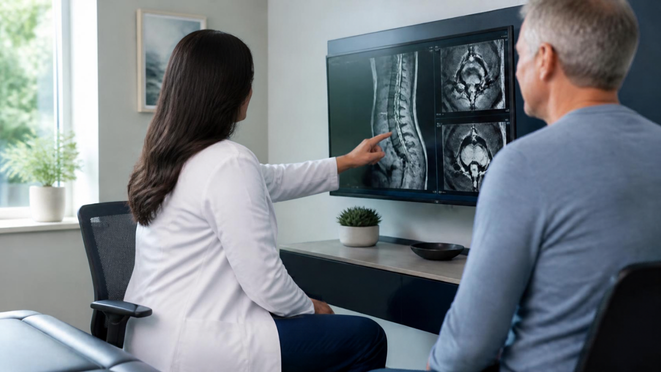
Dr. Patel begins by reviewing the location and pattern of pain, examination findings, prior care, medications, and imaging when relevant. The goal is to identify a specific joint, tendon, ligament, fascia, muscle, or selected spine-related target before a regenerative medicine option is discussed.

Candidacy and Goal Setting

Patient selection is based on evaluation and diagnosis, overall health, the structure involved, previous care, and realistic functional goals. Regenerative therapy is not appropriate for every pain pattern, and results vary depending on the patient and condition.

Selecting the Procedural Option

If a regenerative medicine approach is reasonable to consider, Dr. Patel explains which option may fit the identified target and how it compares with other pain-management choices. The discussion focuses on candidacy, limitations, potential risks, and the intended role of the procedure.

Image-Guided Pain Procedure

When PRP or another orthobiologic option is selected, ultrasound or fluoroscopic guidance may be used according to the target. The procedure is designed to support the body’s natural healing response and may help reduce pain or improve function in certain patients.

Aftercare and Activity Guidance

Temporary soreness can occur after an injection. Dr. Patel provides individualized instructions about activity, exercise, rehabilitation, and when to contact the office. The pace of activity progression depends on the target, procedure, and patient response.

Follow-Up and Reassessment

Follow-up focuses on pain, inflammation, mobility, and function over time. Results vary depending on the patient and condition, and additional decisions are based on the clinical response and ongoing evaluation.

Discuss Regenerative Therapy With Dr. Silky Patel

If persistent joint, tendon, or spine-related pain is limiting your activity, Dr. Silky Patel can evaluate whether regenerative therapy or another pain-management option may be appropriate based on your diagnosis.

Discuss B12 Shots With Dr. Silky Patel - Dr. Silky Patel MD
Save Time and Summarize with AI

FAQs - Regenerative Therapy

What is regenerative therapy?

Regenerative therapy is a broad term for selected procedure-based options within musculoskeletal and spine care. In Dr. Patel’s practice, these options are considered after evaluation and diagnosis for qualified symptom support.

What options may be discussed?

PRP and other orthobiologics may be considered depending on the structure involved, prior care, health factors, and procedural target. Not every patient is a candidate.

What is the goal of regenerative therapy?

These options are designed to support the body’s natural healing response and may help reduce pain or improve function in certain patients. They are used as an option to help decrease pain and inflammation, and results vary depending on the patient and condition.

Can regenerative therapy be considered for joint pain?

Selected patients with persistent joint-related symptoms may be evaluated for PRP or another orthobiologic option. The decision is based on evaluation and diagnosis, not on the presence of joint pain alone.

Can it be considered for tendon pain?

Yes, certain persistent tendon-related pain patterns may lead to a regenerative therapy consultation, particularly when a structured rehabilitation plan has not provided enough symptom improvement. Candidacy remains individualized.

Are regenerative options used for spine-related pain?

Dr. Patel may evaluate selected facet, sacroiliac-region, fascia, muscle, or ligament-related pain patterns for these options. The target and procedure are chosen based on evaluation and diagnosis.

Is the procedure image guided?

Dr. Patel may use ultrasound or fluoroscopy depending on the structure being targeted. Image guidance supports precise placement at the selected area.

What is recovery like?

Recovery varies with the target and procedure. Temporary soreness may occur, and Dr. Patel provides individualized guidance about activity, rehabilitation, and follow-up.

How do I know if I am a candidate?

Candidacy depends on diagnosis, symptoms, imaging when relevant, previous care, overall health, and functional goals. A consultation is required to determine whether a regenerative medicine option is appropriate.