Table of Contents
ToggleSciatic pain, also known as sciatica, is a common condition that affects millions of people around the world. It is characterized by pain that radiates along the sciatic nerve, which runs from the lower back down to the legs. Sciatic pain can be caused by a number of factors, ranging from herniated discs to spinal stenosis, and can be a source of discomfort for individuals of all ages. In this article, we will discuss the causes and treatment options for sciatic pain.
Causes of Sciatic Pain:
The sciatic nerve is the longest nerve in the human body and is responsible for controlling the muscles in the lower leg and foot. Sciatic pain is caused by irritation or compression of the sciatic nerve. Some common causes of sciatic pain include:
- Herniated Discs: A herniated disc occurs when the soft inner material of a spinal disc protrudes through the outer layer and presses against the sciatic nerve.
- Spinal Stenosis: This is a condition where the spinal canal narrows, and that can cause compressing the sciatic nerve and causing pain.
- Piriformis Syndrome: The piriformis muscle is located in the buttock region and can sometimes irritate the sciatic nerve.
- Spondylolisthesis: This occurs when a vertebra is out of place compared to the vertebra just above or below it.
- Trauma or Injury: Any injury to the lower back or legs can cause sciatic pain.
Treatment of Sciatic Pain:
The treatment for sciatic pain depends on the underlying cause of the pain. Some common treatments for sciatic pain include:
- Medications: Nonsteroidal anti-inflammatory drugs (NSAIDs) can help reduce inflammation and relieve pain. In some cases, muscle relaxants or opioid medications may be prescribed.
- Physical Therapy: Physical therapy can help strengthen the muscles in the lower back and legs, improving flexibility and reducing pain.
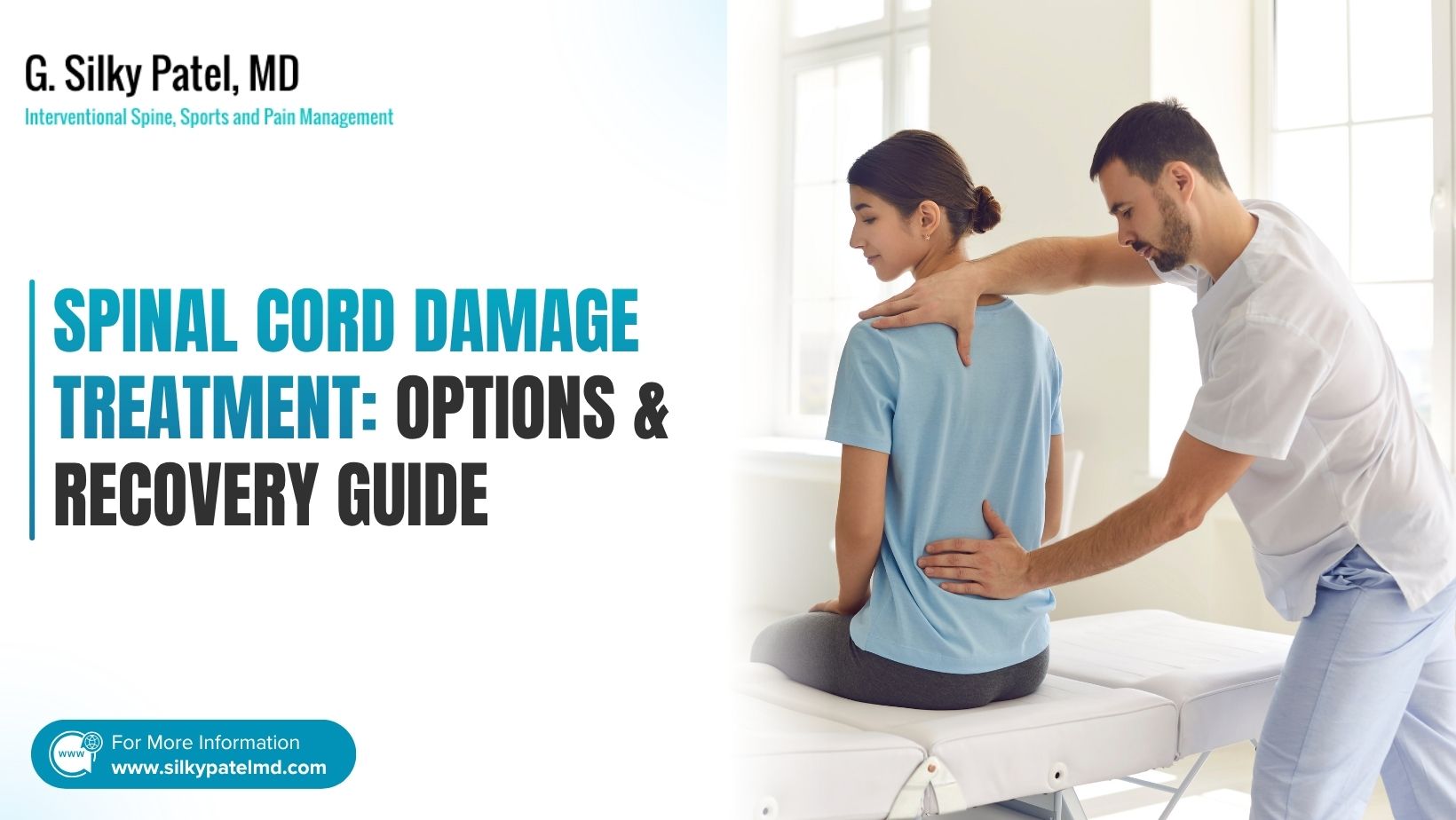
- Chiropractic Care: Chiropractors can help manipulate the spine and improve the alignment of the vertebrae, which can relieve pressure on the sciatic nerve.
- Injections: In some cases, injections of corticosteroids or anesthetics may be given to relieve pain and reduce inflammation.
- Surgery: Surgery is typically only considered as a last resort if other treatments have failed. Surgery may be required if the sciatic nerve is compressed by a herniated disc, bone spur, or other structural issue.
How to Prevent Sciatic Pain:
While it may not be possible to prevent all cases of sciatic pain, there are some steps you can take to reduce your risk of developing this condition. These include:
- Maintaining good posture
- Practicing good lifting techniques
- Exercising regularly
- Stretching before and after physical activity
- Using proper ergonomics at work
Sciatic pain can be a source of discomfort and pain for individuals of all ages. If you are experiencing sciatic pain, it is important to seek treatment from a qualified healthcare professional. With the right treatment and preventative measures, you can manage your sciatic pain and reduce your risk of developing this condition in the future.
Consult Dr. Silky Patel for Excellent Treatment and Care For Sciatica
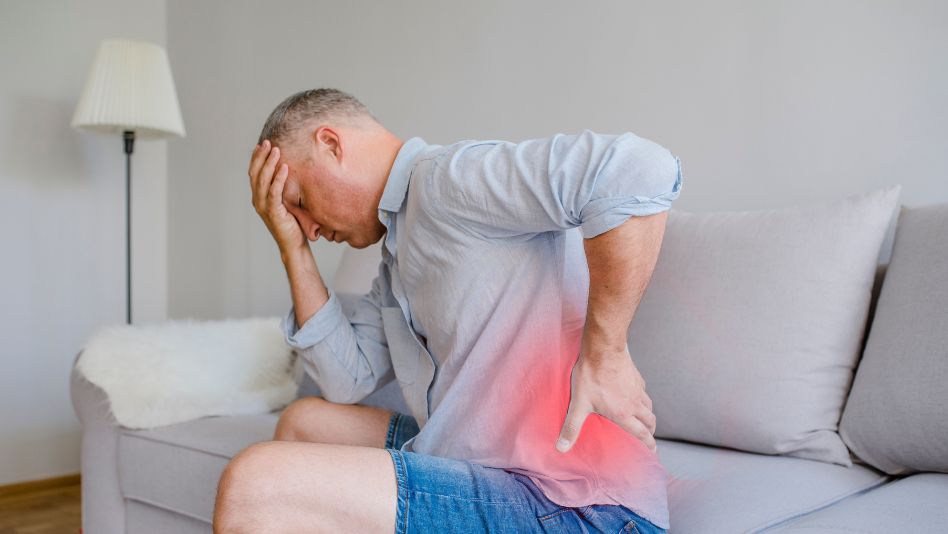
If you are experiencing sharp pain in your lower back and legs, it might be due to compression or pinching of the largest nerve in your body – the sciatic nerve. It can be caused by a herniated disc or bone spur. The pain can be intense and may even cause numbness or weakness. To alleviate these symptoms, it is important to seek immediate sciatic pain treatment and care.
Dr. Silky Patel is an expert spine specialist with over 15 years of experience in treating spine pain, sciatica, neck pain, back pain, hip pain, and other disorders and conditions. As a board-certified pain management and physical medicine & rehabilitation specialist, Dr. Patel offers a wide range of invasive and non-invasive treatments to help you get back to your daily routine.
Schedule a Consultation, Today!
If you are suffering from sciatic pain, don’t hesitate to contact Dr. Silky Patel to schedule a consultation. She will examine your condition and recommend the most appropriate treatment plan for you. With her expertise and experience, she can help you manage your sciatic pain and improve your quality of life. Feel free to schedule a friendly consultation for sciatica pain treatment in Houston, Texas. Contact Dr. Silky Patel now at silkypatelmd@gmail.com.
Also, you can follow her official social media handles – Facebook, Instagram, Twitter, LinkedIn, and YouTube.