Table of Contents
ToggleMinimally Invasive Lumbar Decompression or MILD is a procedure to decompress a selected area of the spinal canal. The MILD procedure is also useful to treat Lumbar Spinal Stenosis by relieving the pressure being applied to the spinal nerves.
In other words, Minimally Invasive Lumbar Decompression is a surgical procedure to help patients get pain relief from stenosis developed in the spinal canal of the lower back. Most professionals recommend the MILD procedure to treat lumbar spinal stenosis, a common degenerative spine condition. Carried out as an outpatient, the MILD procedure can be an effective treatment to get rid of a variety of symptoms such as pain, numbness, and tingling in the hips and legs.
What is Lumbar Spinal Stenosis?
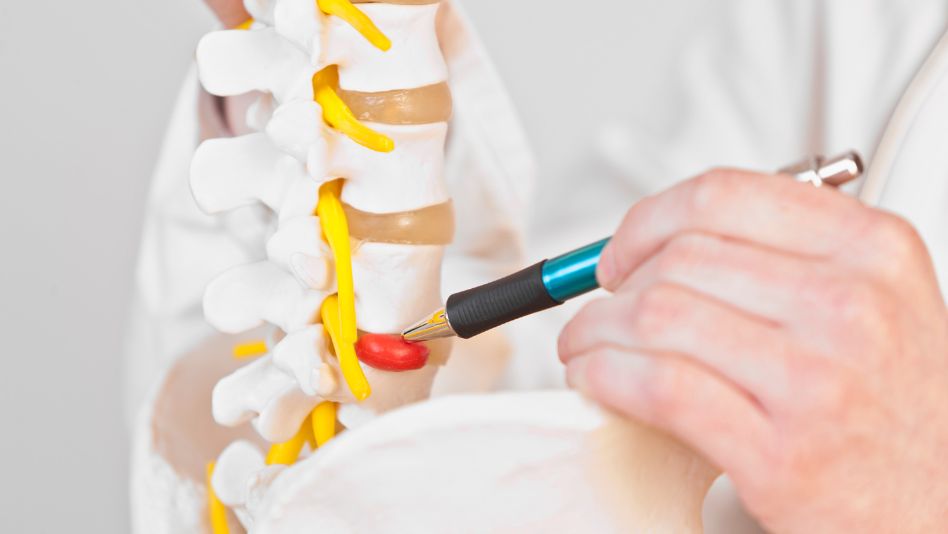
Lumbar Spinal Stenosis is a common degenerative spine condition often found among people above the age of 50. Narrowing of the lumbar spinal canal and compression of the nerves running through the spinal canal are serious conditions that happen due to lumbar spinal stenosis. Spinal stenosis can take place if there is an overgrowth of vertebral joints and ligaments or if there is a bulging vertebral disc.
The most common causes of lumbar spinal stenosis are osteoarthritis, wear and tear of the spine due to aging, herniated discs, and spinal compression related to arthritis. Lumbar Spinal Stenosis can make you suffer from:
- Weakness, numbness, stiffness, and tingling in the buttocks and legs
- Difficulty in standing and walking
- Pain and numbness in legs
- Hard to control bladder and bowel in severe cases
- Back pain
What is Minimally Invasive Lumbar Decompression?
Minimally Invasive Lumbar Decompression (MILD) is a minimally invasive surgery to treat herniated discs, lumbar spinal stenosis caused by a thickened ligament and sciatica. A professional spine specialist may also suggest a lumbar decompression procedure to relieve pressure on the spinal cord or nerve roots. This procedure can be done in two ways: Open Surgery or Minimally Invasive Surgery. The latter is a less invasive, quicker, and more cost-effective option that requires only a few small incisions.
The MILD procedure is a straightforward surgery where the surgeon will make a small incision in the lower back During the MILD procedure, a professional doctor may remove thickened ligament tissue that is exerting pressure on the spinal nerves. Also, the amniotic membrane is used to seal the disc space and reduce the amount of pressure on the nerves.
Chronic back pain due to compressed nerves can be effectively relieved by Minimally Invasive Lumbar Decompression treatment. If you are consulting an experienced spine specialist, then they may perform the MILD procedure treatment after trying other treatments like epidural injections to decompress the spine.
Benefits of Minimally Invasive Lumbar Decompression or MILD Procedure
The MILD procedure may be a beneficial alternative to a regular laminectomy which involves a larger incision, tissue trauma, spinal instability, and scarring. By performing a Minimally Invasive Lumbar Decompression procedure using minimally-invasive and keyhole techniques, the patient can get several benefits. The MILD procedure benefits are as follows:
- Small incision required
- Performed within an hour
- Less damage to surrounding soft tissues
- Minimal muscle injury
- Reduced scar tissue formation
- Faster recovery time
- Reduced blood loss and infection risk
- Less post-operative recovery time
Minimally Invasive Lumbar Decompression (MILD) – Surgery and Recovery Time
MIS or minimally invasive surgery for lumbar decompression is a procedure to relieve the pressure on the spinal nerves in the lower back (lumbar). MILD surgery can be used to treat patients that are suffering from pain, weakness, and numbness in their lower back, buttocks, and legs.
The MILD procedure involves a small incision through which a professional doctor will attempt to relieve the pressure exerted on the spinal canal and nerves that causes pain and numbness in your lower back.
The recovery time for MILD is minimal compared to other surgical procedures. In terms of MILD Procedure recovery time, you should know that Minimally Invasive Lumbar Decompression treatment is a short outpatient procedure that will generally take less than an hour. Most patients will be discharged to go home on the same day and they can comfortably resume their regular day-to-day activities within 24 hours without many restrictions.
However, some patients may need a day or two to recover their full strength after the MILD procedure. Patients who have gone through the MILD treatment can continue their work routine within a few days.
MILD Procedure For Spinal Stenosis
The procedure of minimally invasive lumbar decompression (MILD) for spinal stenosis is indeed helpful and fairly straightforward. This surgical procedure is used to treat lumbar spinal stenosis by reducing or eliminating any kind of pressure exerted on the nerves in the lumbar spinal canal. If you are suffering from lumbar spinal stenosis, you are most likely suffering from pain and numbness in the legs and buttocks.
It is common for patients suffering from spinal stenosis to experience difficulty in walking long distances or standing for long periods of time. These patients will feel pain relief when they sit on a couch, chair, or ground surface. Sitting causes flexion, which relieves some spinal stenosis. In the MILD procedure, the patient may receive sedation or local anesthesia for comfort.
The location of the pain or spinal stenosis will be determined with the help of an MRI or a CT Scan. A professional will perform the MILD treatment through a small incision in the back to remove the thickened ligament at the site of the stenosis. The ligamentum flavum that supports the laminar bone and fatty tissue will be partly extracted so that the pressure on the spinal canal is relieved.
Get Minimally Invasive Lumbar Decompression – MILD Procedure and Treatment
If you want to get highly effective Minimally Invasive Lumbar Decompression treatment in Houston, Texas, from a well-versed and skilled spine specialist in Houston, Texas, then you should contact Dr. Silky Patel MD – An expert interventional spine and sports doctor. Having more than 15 years of experience, she can perform the MILD Procedure in an effective way that the patient will feel relieved and relaxed from the pain.
Apart from being a spine specialist, Dr. Silky Patel also holds expertise in treating hip pain, neck pain, back pain, sciatica, and radiofrequency ablation. Reach out to her directly at silkypatelmd@gmail.com or schedule a friendly consultation with Dr. Patel and live a life with reduced pain.
To get the latest updates and information about the exceptional pain relieving treatments and care she offers, you can follow her on Facebook, Instagram, Twitter, LinkedIn, and YouTube.