Table of Contents
ToggleRegenerative Therapy Cost: What Should You Expect?
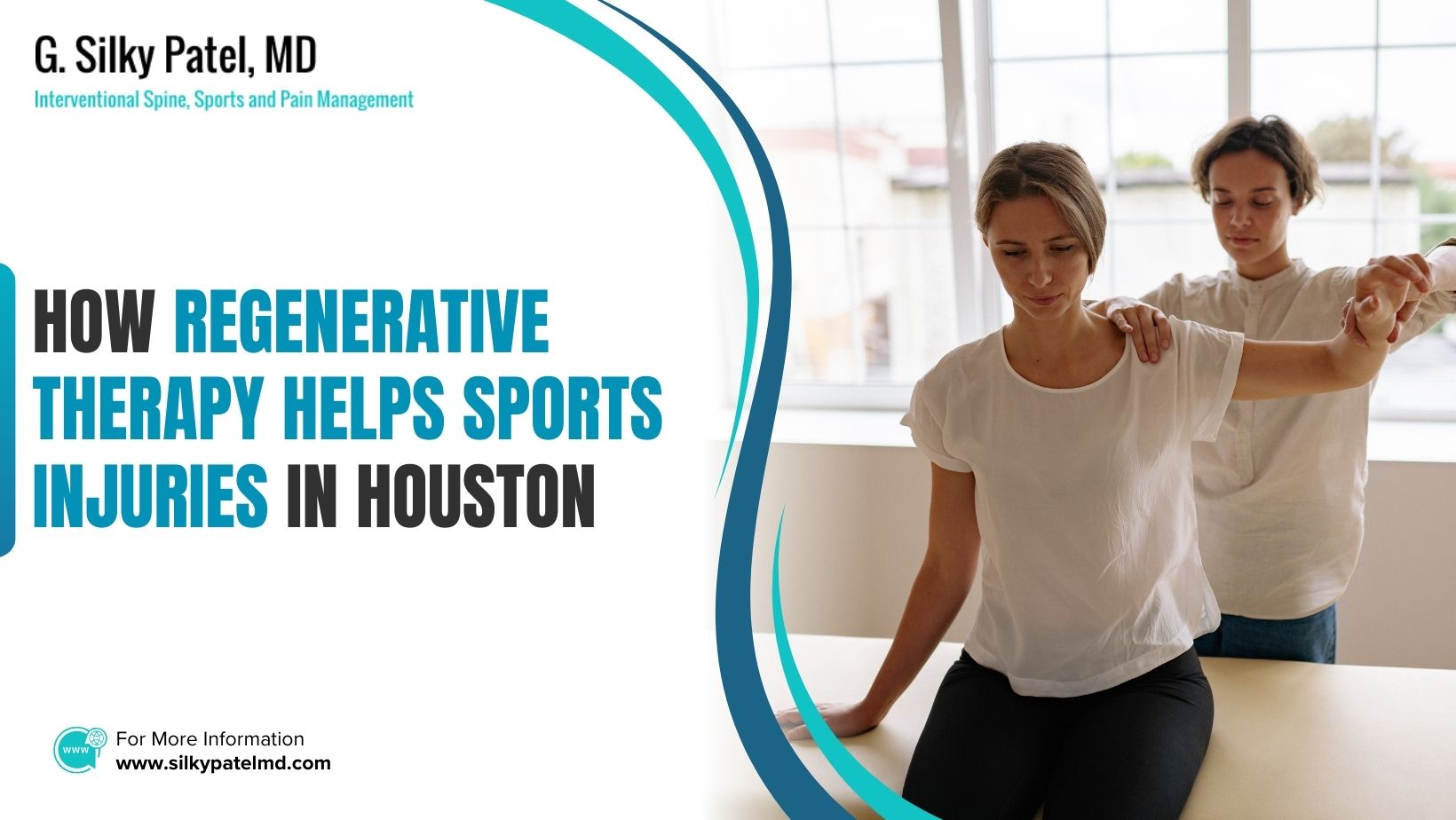
Sports injuries often occur suddenly, interrupting athletic performance and impacting daily activities. These injuries can range from mild strains to more complex ligament damage, leading to pain and restricted movement. For people in Houston and surrounding neighborhoods, addressing sports injuries requires approaches that not only manage symptoms but also support the natural healing environment of the body. Regenerative therapy has emerged as an option within sports medicine therapy that complements traditional treatments by focusing on encouraging the body’s own response to injury.
Dr. Silky Patel, a Clinical Assistant Professor of Neurosurgery at UT–Houston Medical School and Director of Pain Management at Houston Methodist West Hospital, brings advanced expertise in integrating regenerative techniques to aid athlete injury recovery. In Houston’s competitive and active community, many seek a sports medicine clinic near me that offers integrative care involving regenerative therapy—particularly for common challenges like knee and shoulder sports injuries and ligament injury treatment. Dr. Patel’s approach involves tailored plans that evaluate each patient’s condition thoroughly, considering various interventional options including regenerative therapies. These procedures typically involve targeted injections into structures such as muscles, ligaments, and fascia, designed to provide support for reducing pain and improving function in certain patients.
While regenerative therapy is not a cure for sports injuries, it serves as a valuable component of comprehensive sports injury treatment available in Houston. By embracing this modality alongside physical therapy, medication, and other interventions, patients may access a broadened spectrum of care options. Dr. Silky Patel’s clinical experience ensures that those seeking assistance from an orthopedic specialist near me in Houston receive thorough evaluations, diagnostic clarity, and carefully considered treatment plans that may include regenerative therapy where appropriate. This holistic framework reflects a deep understanding of the complexities involved in sports injuries and the varied responses among individuals aiming for optimal athlete injury recovery.
Understanding Sports Injuries: Common Types and Challenges in Houston
Overview of Sports Injuries
Sports injuries encompass a broad spectrum of musculoskeletal conditions that affect athletes and active individuals. In Houston’s vibrant communities, where running, cycling, team sports, and fitness activities are popular, sports injuries occur frequently and can affect a wide range of age groups and skill levels. These injuries typically result from trauma, overuse, or sudden twisting motions, and they present challenges both in management and recovery.
The most commonly affected areas in sports injuries include knees pain, shoulders, ligaments, and surrounding soft tissues such as muscles and tendons. Because these structures play crucial roles in mobility, stability, and power generation, injuries to them can significantly impact an athlete’s performance as well as everyday functions. Dr. Silky Patel regularly evaluates patients with such concerns, emphasizing a detailed approach to musculoskeletal assessment to tailor sports injury treatment options effectively.
Knee and Shoulder Sports Injuries Explained
In Houston’s active population, knee injuries rank among the most prevalent sports injuries. Common knee issues include anterior cruciate ligament (ACL) tears, meniscus damage, and various strains. An ACL injury often involves partial or complete tearing of the ligament that stabilizes the knee, leading to instability during movement. Meniscus tears affect the cartilage that cushions the knee joint, causing pain, swelling, and limited range of motion. Strains, which are overstretching or microscopic tears of muscles or tendons around the knee, can also impair mobility and endurance.
Shoulder injuries present another significant category, especially in sports involving overhead motions like swimming, tennis, and baseball. Rotator cuff tendinitis arises from inflammation of the tendons surrounding the shoulder joint, frequently due to repetitive stress. Labral tears refer to damage of the cartilage ring lining the shoulder socket, impacting joint stability and function. Shoulder impingement occurs when tendons become compressed during arm movements, causing discomfort and reduced mobility. These conditions can interfere not only with athletic endeavors but also routine activities such as lifting, reaching, or carrying objects.
Both knee and shoulder sports injuries can cause chronic discomfort, diminish athletic performance, and interfere with quality of life. Understanding these common injury types is essential in crafting a relevant and effective sports injury treatment plan.
Read also: Regenerative Therapy for Chronic Pain: How It Helps
Challenges in Sports Injury Treatment
Treating sports injuries, especially chronic or complex cases, often presents challenges despite advances in physical therapy and medication regimens. Traditional therapies like rest, ice, compression, elevation (RICE), anti-inflammatory drugs, and rehabilitation exercises are foundational but may not adequately address persistent pain or structural limitations. For some patients, especially those encountering ligament injury treatment challenges, recovery can stall or plateau, prompting exploration of additional options.
In the Houston area, patients seeking care may find that addressing sports injuries effectively requires multidisciplinary collaboration. This often involves consultations with orthopedic specialists near me who can provide precise diagnosis through imaging and clinical evaluation. Dr. Silky Patel’s proficiency in sports medicine therapy and advanced interventional approaches ensures her patients receive thorough assessments that consider diverse treatment pathways. This is especially relevant for individuals whose injuries involve multiple joint components or who have not achieved satisfactory improvement through standard protocols.
Navigating these challenges highlights the importance of individualized care plans. For patients in Houston and nearby regions, finding a sports medicine clinic near me that integrates both traditional and innovative treatment modalities can enhance the management of sports injuries. Tailoring interventions according to an athlete’s specific injury profile and recovery goals, as Dr. Patel advocates, places patient-centered evaluation at the heart of effective sports injury treatment.
By delving into the nuances of sports injuries prevalent in Houston’s athletic community and acknowledging treatment limitations, this section sets the stage for exploring how regenerative therapy may offer complementary options. The following discussion examines regenerative therapy’s role within comprehensive strategies aimed at supporting athlete injury recovery in Houston.
How Regenerative Therapy Supports Sports Injuries
What Is Regenerative Therapy in the Context of Sports Medicine Therapy?
Regenerative therapy in sports medicine therapy is designed to support the body’s natural response to injury. Rather than focusing solely on symptom relief, these procedures aim to create an internal environment conducive to recovery by targeting specific tissues affected by sports injuries. The approach involves injecting specialized formulations into muscles, ligaments, and fascia to potentially reduce inflammation and encourage a balanced healing environment.
Dr. Silky Patel, with her expertise as a Clinical Assistant Professor of Neurosurgery at UT–Houston Medical School and Director of Pain Management at Houston Methodist West Hospital, incorporates regenerative therapy as part of a comprehensive sports injury treatment plan. This may include carefully administered injections directly into the injured areas to assist with managing pain and supporting function. Procedures are individualized to the patient’s injury type and overall health status, reflecting the variability in sports injuries seen across Houston’s active population.
Application of Regenerative Therapy for Ligament Injury Treatment
Ligament injuries play a central role in many sports-related conditions, particularly among Houston athletes. These injuries often involve tears or strains that can compromise joint stability and mobility, affecting areas such as the knee and shoulder. Regenerative therapy offers an option that may be integrated alongside traditional treatments to support symptom management in ligament injury treatment.
Dr. Patel frequently uses injections targeting knee and shoulder ligaments, focusing on the anterior cruciate ligament (ACL), medial collateral ligament (MCL), rotator cuff tendons, and other crucial structures. These injections are delivered with precision based on diagnostic imaging and clinical evaluation, optimizing the approach for each patient. Regenerative therapy is intended to function as part of a holistic strategy within sports medicine therapy and is selected following thorough assessment to align with the patient’s specific injury profile and recovery goals.
You may like: Regenerative Therapy Cost: What Should You Expect?
Potential Benefits for Athlete Injury Recovery
In the context of athlete injury recovery, regenerative therapy may help reduce pain and contribute to improved function. The variability of sports injuries requires personalized treatment plans that consider the unique aspects of each case. Dr. Silky Patel emphasizes customized care within Houston-area sports medicine clinics, ensuring that regenerative therapy is only one element within broader, individualized management strategies.
Patients often seek relief from persistent discomfort and limitations following injuries to knees, shoulders, or ligaments. While outcomes vary depending on numerous factors—including injury severity, patient health, and compliance with rehabilitation—regenerative therapy can support symptom reduction and functional enhancement when integrated thoughtfully. This approach may offer additional options for those exploring alternatives beyond conventional treatments, contributing to a more comprehensive sports injury treatment framework.
Considerations and Safety
Safety remains a priority when employing regenerative therapy techniques. Dr. Silky Patel underscores the importance of expert evaluation and administration by experienced providers in Houston’s sports medicine field. Procedures involve minimal invasiveness and are performed under sterile conditions to reduce risks.
It is essential for patients to understand that results vary widely and are influenced by individual health factors and injury characteristics. Regenerative therapy is not intended to replace established treatments but to complement them within a balanced recovery plan. Open communication with an orthopedic specialist near me and ongoing monitoring ensure patient safety and optimize the potential benefits of this supportive therapy in managing sports injuries.
What to Expect at a Houston Sports Medicine Clinic Offering Regenerative Therapy
Initial Evaluation and Diagnosis
When visiting a sports medicine clinic near me in Houston for sports injury treatment, patients can expect a thorough and comprehensive musculoskeletal evaluation. Dr. Silky Patel employs detailed assessments to understand the extent and nature of sports injuries, including conditions that may overlap with facet arthrosis, sacroiliac (SI) joint arthritis, and degenerative disc disease. These evaluations often combine physical examination techniques with advanced imaging to pinpoint the source of pain or dysfunction precisely.
Dr. Patel’s expertise as an orthopedic specialist near me in Houston enables her to interpret these findings carefully and guide patients toward potential regenerative therapy options that align with their specific injury profiles. This personalized diagnostic approach ensures that any interventions, including regenerative injections, are offered as part of a thoughtful, individualized care plan.
The Regenerative Therapy Procedure
Regenerative therapy procedures at Dr. Silky Patel’s Houston clinic involve targeted injections into anatomically relevant sites such as cervical and lumbar facet joints, muscles, ligaments, and fascia. The goal is to provide focused support to the injured areas most affected by sports injuries. Each injection is precisely administered to optimize safety and effectiveness.
The injection process itself is typically brief, often completed within 30 to 60 minutes, depending on the complexity of the injury and the number of sites treated. Preparation involves a consultation and possibly imaging guidance to confirm accurate placement. After treatment, patients receive tailored post-procedure recommendations, often including activity modifications and follow-up assessments to track progress in athlete injury recovery.
Combining Regenerative Therapy with Conventional Sports Injury Treatment
Regenerative therapy is designed to complement—not replace—traditional sports injury treatments such as physical therapy and comprehensive pain management strategies. Dr. Silky Patel emphasizes a multimodal approach to care, integrating regenerative injections with rehabilitation exercises, lifestyle adjustments, and medication when appropriate.
This tailored approach enhances overall management of knee and shoulder sports injuries as well as ligament injury treatment. It recognizes that each athlete’s recovery journey is unique. By combining regenerative therapy with proven modalities, patients in Houston receive a well-rounded plan aimed at supporting functional improvement and symptom relief within the broader context of sports medicine therapy.
Locating a Sports Medicine Clinic Near Me in Houston
Finding a qualified sports medicine clinic near me offering regenerative therapy in Houston requires consideration of provider expertise and facility specialization. Patients are encouraged to seek clinics led by experienced orthopedic specialists who understand the nuances of sports injuries and advanced interventional methods.
Choosing Dr. Silky Patel ensures access to expert care rooted in both clinical and academic excellence. Her dual role as Director of Pain Management at Houston Methodist West Hospital and Clinical Assistant Professor of Neurosurgery at UT–Houston Medical School reflects her commitment to quality and innovation in sports injury treatment. Dr. Patel’s Houston-based clinic combines cutting-edge techniques with personalized attention, making it a trusted option for those exploring regenerative therapy to support athlete injury recovery.
Common Questions About Regenerative Therapy for Sports Injuries in Houston
Who Is a Candidate for Regenerative Therapy?
Determining candidacy for regenerative therapy involves a careful evaluation of the patient’s medical history, type and severity of sports injuries, and overall health. Dr. Silky Patel conducts comprehensive assessments to understand each person’s unique condition within the context of Houston’s active population. Candidates often include those experiencing persistent pain or functional limitations from knee and shoulder sports injuries or ligament injury treatment who have not achieved satisfactory results through conventional options. However, every case is individualized to ensure regenerative therapy aligns well with the patient’s recovery goals and diagnostic findings.
How Does Regenerative Therapy Differ from Other Treatments?
Regenerative therapy should be viewed as an adjunct rather than a standalone cure or guaranteed solution. Unlike surgery or solely medication-based approaches, it supports the body’s natural response to injury by targeting specific tissues such as muscles, ligaments, and fascia. Dr. Silky Patel integrates this therapy within a broader sports injury treatment framework that might also include physical therapy, lifestyle modifications, and pain management techniques. Its role is to potentially complement these methods and provide additional avenues for symptom relief and functional support.
What Types of Sports Injuries Benefit Most?
Regenerative therapy is commonly considered for sports injuries involving the knee and shoulder, as well as ligament injuries. Conditions such as ACL strains, meniscus issues, rotator cuff tendinitis, and other soft tissue concerns often guide treatment decisions. Within Houston’s sports medicine clinics, Dr. Patel evaluates how regenerative therapy might fit as part of an individualized plan, focusing on injuries where localized injections into the damaged areas may support symptom management and functional improvements.
Are There Risks or Side Effects?
Safety is a primary consideration in regenerative therapy. Dr. Silky Patel follows rigorous protocols to minimize risks, including sterile injection techniques and precise anatomical targeting. Side effects, if they occur, tend to be mild and temporary, such as localized soreness or minor swelling after treatment. Patients are closely monitored throughout their care to promptly address any concerns. Open communication ensures that potential risks are understood and managed effectively within the treatment plan.
How Long Does It Take to Notice Improvement?
The timeline for noticing improvement after regenerative therapy varies significantly among individuals. Factors such as the severity of the sports injury, patient health status, and adherence to complementary therapies all play roles. Some patients may experience symptom relief within weeks, while others might require several months to observe functional changes. Dr. Silky Patel emphasizes the importance of ongoing evaluation during athlete injury recovery to adjust care plans as needed for optimal support.
Does Insurance Cover Regenerative Therapy?
Insurance coverage for regenerative therapy in Houston can differ based on the policy and provider. While some plans may offer partial or full coverage for certain procedures, others might classify these techniques as elective or complementary, affecting reimbursement. Dr. Patel’s office assists patients in understanding their insurance benefits and exploring payment options to make sports injury treatment accessible within the Houston community.
How to Prepare Before Receiving Therapy?
Preparation for regenerative therapy includes following any specific guidelines provided by Dr. Silky Patel, which may involve modifying medications such as blood thinners or avoiding certain activities. Adequate hydration and nutrition support the body’s response. Patients are encouraged to communicate openly about all health factors and previous treatments to tailor the therapy effectively. Preparing mentally and physically ensures the best possible environment for athlete injury recovery within the structured plan.
What Is the Role of Dr. Silky Patel and Her Team?
Dr. Silky Patel and her dedicated team in Houston offer expertise that bridges clinical excellence and patient-centered care. As a Clinical Assistant Professor of Neurosurgery at UT–Houston Medical School and Director of Pain Management at Houston Methodist West Hospital, Dr. Patel integrates academic knowledge with practical experience to guide patients through complex sports injury treatment decisions. Her team provides personalized assessments, clear communication, and compassionate support throughout every step of regenerative therapy and beyond, ensuring each patient receives care that respects their individual circumstances and goals.
A Note from Dr. Silky Patel
In Houston, sports injuries can disrupt not only athletic performance but also everyday life for many active individuals. My commitment as an orthopedic specialist is to provide informed, compassionate care that centers on each patient’s wellbeing and functional goals. Regenerative therapy is one of several options I carefully consider as part of an integrated sports injury treatment approach. It is designed to support the body’s natural response and may offer a valuable complement within a wider plan tailored specifically to the unique needs of athletes and active adults in Houston and nearby communities.
My team and I work closely with every patient to develop personalized treatment strategies that focus on safe, supported pathways aimed at possibly reducing pain and improving function. We recognize that no two sports injuries are alike, which is why individualized assessment and ongoing evaluation are essential to effective athlete injury recovery. I encourage anyone facing knee and shoulder sports injuries or ligament injury treatment challenges to seek early professional evaluation from a trusted sports medicine clinic near me to discuss all available options. Together, we strive to help you regain confidence and return to the active lifestyle you value—grounded in experience, innovation, and a patient-first philosophy that defines care at Houston Methodist West Hospital and beyond.