EMG/NCS in Houston, TX

Home EMG/NCS

Evaluate Nerve and Muscle Symptoms - Dr. Silky Patel MD

Nerve and Muscle Testing

A Clearer Way to Evaluate Nerve and Muscle Symptoms

Daily Nerve Symptom Challenges

When Numbness, Tingling, or Weakness Affects Your Routine

Weakness Affects - Dr. Silky Patel MD

Understanding EMG/NCS and Nerve Testing

EMG/NCS is a diagnostic test that looks at nerve and muscle function. The Nerve Conduction Study measures how signals travel through specific nerves, while the EMG portion evaluates electrical activity in selected muscles.

Nerve Conduction Study

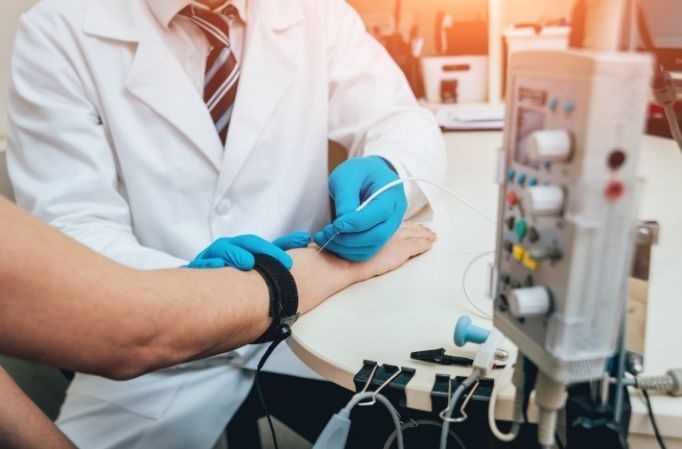
A Nerve Conduction Study uses small surface electrodes placed on the skin. Mild electrical signals are used to measure how quickly and strongly nerves send signals.

EMG Nerve Test

An EMG Nerve Test evaluates muscle activity using a small needle electrode placed into selected muscles. This helps assess how the muscle and the nerves connected to it are functioning.

Numbness and Tingling Evaluation

Numbness and tingling may come from different sources, including nerve irritation or compression. EMG/NCS testing can help provide more information when symptoms are not improving or the source is unclear.

Muscle Weakness Evaluation

Muscle Weakness Evaluation is important when weakness affects grip, walking, lifting, balance, or daily activity. EMG/NCS may help determine whether weakness appears related to nerve or muscle function.

Radiating Arm or Leg Symptoms

Pain, tingling, or weakness that travels into the arms or legs may need a more detailed diagnostic workup. EMG/NCS can help support a clearer understanding of how nerves are functioning.

Care Planning After Testing

EMG/NCS does not replace a full medical evaluation. The results are interpreted along with your symptoms, physical exam, history, and any imaging when available.

Get Answers About Nerve and Muscle Symptoms

If numbness, tingling, pain, or weakness is affecting your day, Dr. Silky Patel can help evaluate whether EMG/NCS testing may be appropriate.

EMGNCS Testing - Dr. Silky Patel MD

Signs to Pay Attention To

Symptoms That May Lead to EMG/NCS Testing

Common Contributing Factors

Why Nerve and Muscle Symptoms Can Develop

Nerve Conduction - Dr. Silky Patel MD

When to See a Specialist

You should consider seeing a specialist when numbness, tingling, pain, or weakness keeps returning, affects daily function, or does not improve with basic care. Dr. Patel can evaluate your symptoms and determine whether EMG/NCS, imaging review, medication management, therapy, or another step may be appropriate.

silky-patel-about-1
Dr. Silky Patel, MD

Interventional Spine & Pain Management Specialist

Nerve and Muscle Evaluation With Dr. Silky Patel

EMG/NCS With Dr. Silky Patel

Dr. Silky Patel is a Houston-based physician specializing in pain medicine, Physical Medicine & Rehabilitation, spine care, and interventional procedures. Her approach begins with understanding your symptoms and how they affect your daily life.

She evaluates nerve and muscle concerns with careful attention to your medical history, physical exam, activity limits, prior care, and imaging when available. This helps determine whether EMG/NCS testing may be useful as part of your diagnostic workup.

For patients with numbness, tingling, radiating pain, or weakness, Dr. Patel focuses on clear evaluation and practical next steps. EMG/NCS results may help guide decisions based on your diagnosis and overall care plan.

Her goal is to help you better understand what may be contributing to your symptoms so you can move forward with more confidence and clarity.

Find Out What Your Symptoms May Be Telling You

A focused nerve and muscle evaluation can help determine whether an EMG and NCS Test may fit your diagnostic plan.

What to Expect

What Happens During the EMG/NCS Process

EMGNCS Process - Dr. Silky Patel MD

Get Clarity With Focused Testing

Detailed symptom review

Nerve signal testing

Muscle function testing

Diagnostic guidance

Personalized next steps

Houston PM&R expertise

EMG/NCS Testing Options and Related Evaluation

EMG/NCS may be used to evaluate different symptom patterns depending on where you feel pain, numbness, tingling, or weakness. Dr. Patel will explain which areas may need testing based on your exam and concerns.

Upper Extremity EMG/NCS

Upper extremity EMG/NCS may be used to evaluate symptoms affecting the neck, shoulder, arm, wrist, hand, or fingers. This may be helpful when numbness, tingling, weakness, or radiating pain affects daily activities.

Lower Extremity EMG/NCS

Lower extremity EMG/NCS may be used to evaluate symptoms affecting the lower back, hip, leg, ankle, foot, or toes. This may be considered when pain, numbness, tingling, or weakness affects walking or standing.

Nerve Conduction Study

A Nerve Conduction Study measures how well specific nerves send signals. It may help provide diagnostic information when symptoms suggest possible nerve compression, irritation, or nerve function changes.

EMG Nerve Test

An EMG Nerve Test looks at how selected muscles respond at rest and during movement. This can help evaluate whether symptoms appear related to nerve-muscle communication or muscle function.

Nerve Damage Diagnosis Support

EMG/NCS may support Nerve Damage Diagnosis by giving objective information about nerve and muscle function. Results must be interpreted together with your symptoms, exam, medical history, and other testing when needed.

Muscle Weakness Evaluation

Muscle Weakness Evaluation may be recommended when weakness affects your grip, walking, lifting, balance, or daily routine. EMG/NCS can help provide more information about whether weakness may be related to nerve or muscle function.

Take the Next Step Toward Better Answers

If you are searching for EMG/NCS, a Nerve Conduction Study, or an EMG Nerve Test in Houston, schedule an evaluation with Dr. Silky Patel.

Nerve and Muscle Symptoms Can Develop - Dr. Silky Patel MD
Save Time and Summarize with AI

FAQs - EMG/NCS

What is EMG/NCS?

EMG/NCS is a diagnostic test used to evaluate nerve and muscle function. EMG looks at electrical activity in selected muscles, while NCS measures how signals travel through specific nerves.

What is the difference between EMG and NCS?

EMG evaluates muscle electrical activity using a small needle electrode in selected muscles. NCS, or Nerve Conduction Study, uses surface electrodes on the skin to measure nerve signal speed and strength.

Why would I need an EMG and NCS Test?

You may need an EMG and NCS Test if you have numbness, tingling, radiating pain, muscle weakness, or symptoms that suggest possible nerve or muscle involvement. Dr. Patel determines whether testing is appropriate after an evaluation.

Can EMG/NCS help with Nerve Damage Diagnosis?

EMG/NCS may provide useful information for Nerve Damage Diagnosis by evaluating how nerves and muscles are functioning. The results are interpreted along with your symptoms, exam findings, and other medical information.

Is an EMG Nerve Test painful?

Some patients feel brief discomfort during an EMG Nerve Test or Nerve Conduction Study. Sensation varies from person to person. Dr. Patel will explain what to expect before testing begins.

How should I prepare for EMG/NCS?

You may be asked to avoid lotions, oils, or creams on the day of testing because they can affect electrode contact. Dr. Patel’s office will give you instructions based on your specific test and medical history.

What symptoms can EMG/NCS evaluate?

EMG/NCS may be used to evaluate symptoms such as numbness, tingling, burning pain, radiating arm or leg pain, grip weakness, foot weakness, or unexplained muscle weakness. Testing depends on your symptoms and exam.

Where can I get EMG/NCS testing in Houston?

Dr. Silky Patel MD offers evaluation for EMG/NCS testing in Houston as part of Physical Medicine & Rehabilitation, pain medicine, spine, and nerve-related diagnostic care. A consultation can help determine whether testing fits your symptoms and goals.