Table of Contents
ToggleSciatic pain is more than just a simple ache; it can disrupt everyday activities by causing discomfort that travels along the sciatic nerve, typically extending from the lower back down through the buttocks and legs. This type of pain may vary from mild to severe and often brings challenges that affect mobility and quality of life. For individuals living in Houston and neighboring regions, recognizing the distinctive characteristics of sciatic nerve pain and knowing the possible causes are important first steps toward relief and improved function.
At the forefront of pain management in Houston, Dr. Silky Patel combines academic expertise and clinical experience to offer comprehensive evaluations for patients experiencing sciatica nerve pain. As a Clinical Assistant Professor of Neurosurgery at UT–Houston Medical School and Director of Pain Management at Houston Methodist West Hospital, Dr. Patel’s approach focuses on thorough diagnosis and treatment options that are designed to support the body’s natural processes.
This includes careful consideration of nerve pain relief exercises, targeted therapies for severe sciatic pain relief, and guidance on when consulting a sciatica doctor near me or visiting a pain clinic near me may be advisable. Understanding sciatic pain in depth lays the groundwork for exploring effective management strategies tailored to individual needs within the Houston community and beyond.
Understanding Sciatic Pain: What You Need to Know
What Is Sciatic Pain?
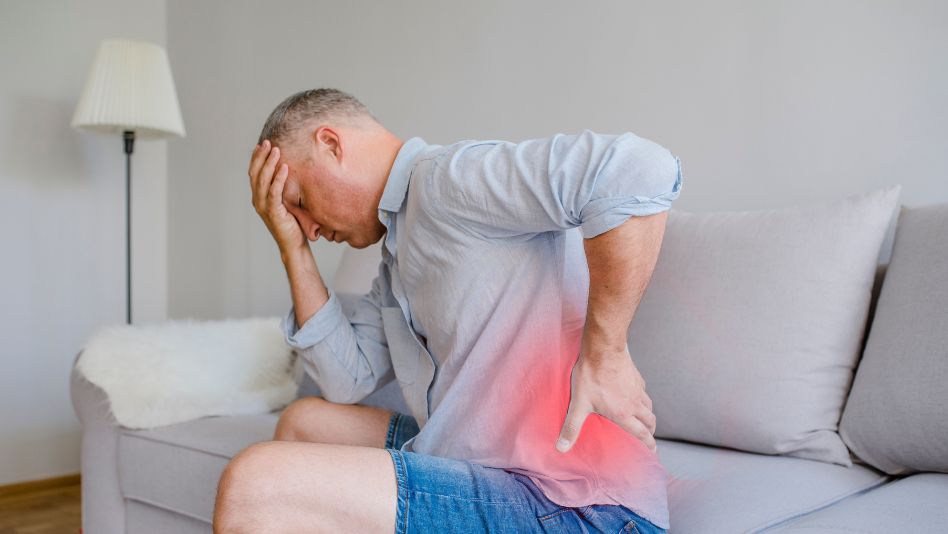
Sciatic pain refers to discomfort that originates along the path of the sciatic nerve, which runs from the lower spine through the hips and buttocks, extending down each leg. Unlike general lower back pain, which tends to be localized, sciatic nerve pain typically radiates from the lower back into the leg and sometimes into the foot. This type of pain arises from irritation or compression of the sciatic nerve or its roots, resulting in a distinct pattern of symptoms.
Sciatic pain often manifests as sharp, shooting sensations or a burning feeling that travels along the nerve’s pathway. Patients commonly describe it as more intense than typical muscular soreness or stiffness associated with back strain. Recognizing these unique features is crucial in differentiating sciatic pain from other causes of lower back and leg pain, enabling more targeted evaluation and care.
Common Sciatica Symptoms and Treatment Overview
Symptoms of sciatica nerve pain can vary widely, but most individuals experience sharp or shooting pain that radiates down one leg. Alongside pain, numbness, tingling, or weakness in the affected leg or foot may occur. These sensations can worsen with certain movements like sitting, coughing, or standing for long periods. Some people might only feel mild discomfort, while others face severe sciatic pain requiring focused management.
The severity and type of sciatica symptoms influence treatment options offered by specialists in Houston and nearby locations. Conservative approaches often begin with nerve pain relief exercises designed to ease pressure on the affected nerve and improve mobility. Physical therapy plays a vital role, alongside ergonomic adjustments and medication when appropriate. In cases where pain persists or intensifies, interventional procedures may be considered at a pain clinic near me. Dr. Silky Patel emphasizes a personalized approach to sciatica symptoms and treatment, ensuring that every patient’s plan aligns with their specific condition and lifestyle.
The Role of the Sciatic Nerve in Lower Back and Leg Pain
Understanding the anatomy of the sciatic nerve is key to grasping how sciatic pain develops. The sciatic nerve is the largest nerve in the human body, formed by nerve roots emerging from the lumbar and sacral regions of the spine. It travels through the pelvis, under the piriformis muscle, and down the back of each leg. Due to its extensive course, irritation or compression anywhere along this path can generate symptoms felt in different areas of the lower back and leg.
Nerve irritation often results from physical compression caused by conditions such as disc herniation, spinal changes, or muscle tightness. For instance, the piriformis muscle, a deep muscle in the buttock, can sometimes impinge on the sciatic nerve—a condition particularly relevant for those in Houston who engage in physical or repetitive activities. Chronic lower back and leg pain linked to sciatic nerve involvement requires careful evaluation of these factors. Dr. Silky Patel considers local lifestyle and occupational influences when assessing patients, applying her expertise to identify the underlying cause and tailor appropriate treatment options.
In sum, recognizing the specific nature of sciatic pain, its symptoms, and the sciatic nerve’s role in lower back and leg pain lays an essential foundation. It enables individuals to seek timely and specialized care that addresses their unique needs, especially within Houston and its surrounding communities.
Sciatic Pain Causes: Identifying the Triggers for Effective Care
Common Causes Behind Sciatic Pain in Houston Residents
Sciatic pain often stems from underlying physical changes that affect the sciatic nerve along its pathway. One leading cause among Houston residents is herniated discs, where the soft material inside spinal discs bulges outward, placing pressure on nearby nerve roots. Degenerative spine conditions, such as disc thinning and facet joint arthrosis, also contribute by narrowing spaces through which the nerve passes, potentially provoking irritation. These issues are especially common in aging populations or individuals with physically demanding lifestyles.
Muscular causes like piriformis syndrome are another source of sciatic nerve pain. The piriformis muscle, located deep in the buttock, sometimes compresses the sciatic nerve due to muscle tightness, injury, or overuse. This syndrome can mimic symptoms of nerve root compression but originates from muscular structures. Additionally, other conditions such as spinal stenosis—where the spinal canal narrows—and traumatic injuries can contribute to nerve compression, further complicating lower back and leg pain in the Houston area.
Lifestyle and Environmental Factors Contributing to Sciatica
Beyond anatomical causes, lifestyle and environmental factors prevalent in Houston may play a significant role in sciatica nerve pain. Sedentary behavior, increasingly common in urban and office environments, can weaken muscles supporting the spine, increasing susceptibility to nerve irritation. Job-related strain, whether from manual labor or prolonged sitting, adds mechanical stress to the lower back and may trigger symptoms.
Obesity is another influential factor that places additional load on the spine and surrounding tissues, potentially exacerbating sciatic pain. Houston’s climate—with its high heat and humidity—can contribute to muscle stiffness or discomfort, occasionally worsening symptoms for sensitive individuals. These environmental elements underscore the importance of a comprehensive evaluation that considers both physical and lifestyle contributors when addressing sciatic pain in Houston residents.
When to Consider Seeing a Sciatica Doctor Near Me
Knowing when to seek specialized care is vital for managing sciatic pain effectively. Warning signs that warrant professional evaluation include persistent or worsening pain unresponsive to self-care, significant numbness or weakness in the leg, and difficulties with bladder or bowel control. Such symptoms may indicate more serious nerve involvement requiring prompt attention.
Dr. Silky Patel, as a pain management expert at Houston Methodist West Hospital, offers thorough diagnostic evaluation tailored to individual needs. By integrating clinical insights with advanced diagnostics, Dr. Patel helps patients identify the precise causes of their sciatic pain and develops personalized management plans. Whether patients are searching for a sciatica doctor near me or a pain clinic near me, Houston residents can find comprehensive support to navigate this complex condition. Early consultation helps avoid prolonged discomfort and supports better-informed choices regarding interventions, including nerve pain relief exercises or advanced treatments.
Exploring Sciatic Pain Treatment Options: From Conservative to Interventional Approaches
Non-Invasive Management Techniques
When addressing sciatic pain, many patients begin with non-invasive strategies designed to relieve discomfort without the need for surgical intervention. Nerve pain relief exercises form a cornerstone of home care, aiming to gently stretch and strengthen muscles surrounding the lower back and legs. These exercises help reduce pressure on the sciatic nerve by improving flexibility and supporting spinal alignment. Dr. Silky Patel encourages carefully guided routines that consider each patient’s unique symptoms, ensuring safety while promoting gradual improvement.
Physical therapy plays a vital role in managing sciatica symptoms and treatment by providing tailored exercise plans, manual therapy, and education on posture and body mechanics. These techniques help minimize recurrent stress on the lower back and leg structures that contribute to sciatic nerve irritation. Ergonomic adjustments in daily activities—such as optimizing workstation setups or modifying lifting techniques—are equally important. Together, these measures offer practical solutions that Houston residents can implement to support ongoing comfort.
Over-the-counter medications, including anti-inflammatory drugs and pain relievers, often complement these physical approaches, providing short-term symptom reduction. However, Dr. Silky Patel emphasizes that medication is best used alongside lifestyle modifications and exercises rather than as a standalone solution. Attention to weight management, regular movement, and warm climate considerations relevant to Houston also form part of this comprehensive non-invasive strategy.
Interventional Procedures Offered by Pain Clinics Near Me
For patients whose sciatic pain persists despite conservative efforts, interventional options provided by pain clinics near me in Houston offer additional avenues for management. Injection therapies, such as epidural steroid injections or facet joint injections, aim to target localized inflammation and reduce nerve irritation. These minimally invasive procedures can provide relief for patients struggling with severe or chronic symptoms.
Dr. Silky Patel integrates these advanced approaches within a comprehensive pain management framework, carefully evaluating each individual’s condition before recommending interventions. By combining diagnostic imaging and clinical expertise, she customizes treatments that align with patients’ needs while maintaining a focus on safety and efficacy. These procedures may be employed alongside ongoing physical therapy and nerve pain relief exercises to create a multi-faceted approach to sciatica nerve pain.
When Severe Sciatic Pain Relief Is Required
Severe sciatic pain relief becomes a priority when symptoms significantly limit daily activities, cause persistent numbness or weakness, or threaten nerve function. Identifying these indicators requires detailed clinical assessment to determine whether advanced interventions are appropriate. Dr. Silky Patel takes an evaluation-based approach, ensuring that decisions about treatments beyond conservative care are grounded in thorough understanding of each patient’s health status.
While some patients may benefit from prolonged physical therapy and supportive measures, others might find interventional therapies necessary to address acute flare-ups. Emphasizing tailored care, Dr. Patel works closely with patients in Houston and nearby areas to establish treatment plans that reflect both symptom severity and personal goals, recognizing that effective management of sciatic pain involves flexibility and ongoing adjustment. Through this balanced approach, patients receive the support needed to navigate their pain and enhance overall function.
Tips for Managing and Preventing Sciatic Pain Flare-Ups in Daily Life
Daily Practices to Support Lower Back and Leg Comfort
Consistent daily habits play a crucial role in managing sciatic pain and minimizing flare-ups. One of the foundational practices is improving posture to reduce unnecessary strain on the lower back and legs. Maintaining a neutral spine when sitting or standing helps distribute body weight evenly, preventing excess pressure on the sciatic nerve. Incorporating stress reduction techniques, such as mindfulness or gentle stretching, can also ease muscle tension that may contribute to nerve irritation.
Nerve pain relief exercises are an essential part of daily care, but they must be performed with safety in mind. Movements that stretch and strengthen the muscles supporting the spine and pelvis can alleviate discomfort and improve mobility. Patients should focus on gentle, controlled exercises designed to avoid sudden jerks or excessive bending. Dr. Silky Patel recommends individualized exercise programs that reflect each patient’s physical condition, ensuring effectiveness while minimizing risk of aggravating sciatic nerve pain.
Ergonomic Advice for Houston’s Work and Recreation Environment
Adjusting ergonomic factors in both work and leisure settings is another important strategy for managing lower back and leg pain linked to sciatica. For Houston’s office workers, this includes setting up chairs and desks to promote upright posture, using lumbar supports, and taking frequent breaks to stand or walk. Proper computer screen height and keyboard placement also contribute to reducing strain on the back and shoulders.
Manual laborers, who face different physical demands, benefit from training on safe lifting techniques and using supportive footwear to reduce impact. Houston’s warm, humid climate can influence muscle stiffness; therefore, dressing appropriately for outdoor activities and engaging in thorough warm-ups can help prevent symptom exacerbation. Tailoring these ergonomic considerations to local climate and job specifics improves overall comfort and reduces the likelihood of sciatic pain flare-ups.
Importance of Regular Follow-Up and Pain Assessment
Ongoing monitoring is key to optimizing symptom management over time. Regular follow-up appointments with a sciatica doctor near me, such as Dr. Silky Patel at Houston Methodist West Hospital, allow for adjustments in treatment plans based on changes in pain levels, function, or lifestyle. These evaluations help identify when nerve pain relief exercises need modification or when further interventions might be beneficial.
Patients should remain attentive to signs indicating the need for treatment adjustments, such as increasing pain, new areas of numbness, or diminished mobility. By maintaining open communication and consistent assessment, Dr. Patel ensures that management strategies evolve in response to each patient’s unique experience with sciatic pain. This proactive approach supports Houston-area individuals in sustaining daily comfort and improving long-term quality of life.
A Note from Dr. Silky Patel
Sciatic pain can deeply affect many aspects of life, from mobility to everyday comfort. As a pain management specialist serving Houston and the surrounding communities, I recognize how this condition varies greatly from person to person. Sciatic nerve pain does not follow a one-size-fits-all pattern, which is why timely and personalized care is essential. My approach is rooted in supporting your body’s natural responses and tailoring treatment strategies to help you manage your symptoms thoughtfully and effectively.
At Houston Methodist West Hospital, my team and I are dedicated to providing thorough evaluation and customized treatment plans that reflect each patient’s unique experience with lower back and leg pain. Whether you are exploring nerve pain relief exercises, seeking advice for severe sciatic pain relief, or considering interventions available through a pain clinic near me, you are not alone in this journey. Finding a trusted sciatica doctor near me who listens carefully and adapts care as your needs evolve is key. Together, we focus on improving your quality of life through compassionate, expert guidance every step of the way.