Table of Contents
ToggleElectromyography test procedures serve as essential tools in the detailed assessment of neuropathy and other neuromuscular disorders. These procedures provide valuable insights by measuring the electrical activity generated by muscles and nerves, helping to clarify complex symptoms that often accompany such conditions.
For patients in Houston and nearby areas, gaining a clear understanding of how electromyography test works can make navigating their diagnostic journey more manageable and less intimidating.
Dr. Silky Patel, a board-certified specialist in pain management and neurology, incorporates advanced EMG testing alongside nerve conduction study EMG to offer thorough muscle and nerve testing tailored to individual patient needs.
By focusing on precise electromyography diagnosis, Dr. Patel supports patients in Houston clinics with expert evaluation designed to inform clinical decision-making. Electromyography test procedures performed under her care emphasize accuracy, patient comfort, and comprehensive analysis—key elements that ensure the test results contribute meaningfully to managing neuropathy symptoms.
As you consider EMG testing near me, trusting a knowledgeable neurology clinic like Dr. Silky Patel’s can enhance your understanding of the process and subsequent steps toward symptom management and care planning.
Understanding the Electromyography Test: Purpose and Benefits
What Is an Electromyography Test?
An electromyography test, commonly known as EMG, is a specialized diagnostic procedure designed to assess the electrical activity produced by skeletal muscles and the nerves controlling them. Unlike many tests that focus solely on symptoms, the electromyography test provides direct insight into the communication between nerves and muscles.
By recording electrical signals generated during muscle contraction or at rest, this test helps evaluate how well the muscles and their corresponding nerves are functioning.
In essence, EMG is a form of muscle and nerve testing that allows healthcare providers to observe and measure the electrical impulses that travel along nerve fibers and trigger muscle movement. This diagnostic method is particularly valuable when symptoms suggest nerve dysfunction, muscle weakness, or unexplained numbness.
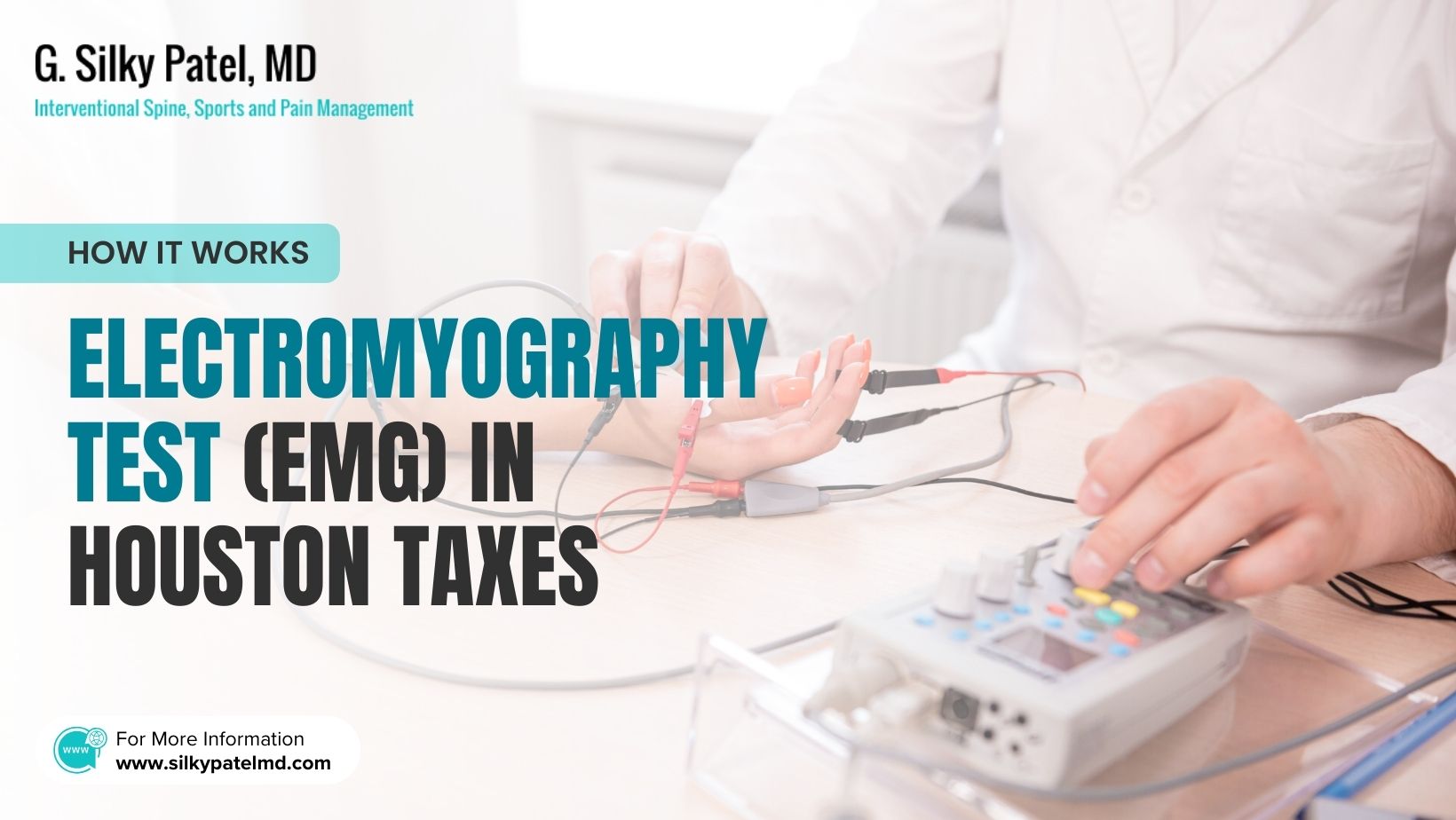
Performed with fine needle electrodes inserted into targeted muscles, the test records activity that can differentiate between muscle disorders and nerve-related issues, offering a window into the neuromuscular system’s complex workings.
How EMG Complements Neuropathy Evaluation
Neuropathy, characterized by nerve damage or dysfunction, presents with a variety of symptoms such as tingling, numbness, pain, or muscle weakness. While clinical examination and patient history are important, they may not fully explain the underlying physiological changes within nerves and muscles. This is where electromyography test procedures play an instrumental role.
By conducting both EMG and nerve conduction study EMG, neurologists can detect abnormalities in nerve signal transmission and muscle response that often accompany neuropathy.
The electromyography diagnosis provides objective data that can help distinguish neuropathy from other neuromuscular disorders, reveal the extent of nerve involvement, and identify whether the source of symptoms lies in the nerve, muscle, or junction between them.
This comprehensive neuromuscular disorder testing significantly improves the accuracy of diagnosis, which can guide effective symptom management strategies.
EMG testing is also sensitive to alterations caused by various forms of nerve compression, injury, or degeneration—common features in neuropathic conditions. Thus, it serves as a crucial adjunct to other diagnostic tools by documenting the electrical health and integrity of peripheral nerves and muscles.
For patients dealing with persistent or unexplained neurological symptoms in Houston and the surrounding communities, EMG adds an indispensable layer of detail to their clinical profile.
Why Choose a Neurology Clinic for EMG Testing in Houston
Selecting the right neurology clinic for electromyography test services is a vital decision that influences the quality and reliability of electromyography diagnosis. In Houston, patients benefit from access to specialists like Dr. Silky Patel, whose expertise spans pain management and neuromuscular evaluation.
Dr. Patel’s professional background, including her role as Clinical Assistant Professor of Neurosurgery at UT–Houston Medical School and Director of Pain Management at Houston Methodist West Hospital, ensures that EMG testing is performed and interpreted with the highest level of clinical acumen.
Expert interpretation is key because EMG results involve nuanced electrical patterns requiring careful analysis to distinguish normal variations from pathological signals.
Dr. Silky Patel’s hands-on approach to EMG testing near me combines precision technique with thoughtful patient care, helping individuals understand what their electromyography diagnosis might mean within the broader context of their symptoms.
Moreover, local availability of comprehensive EMG services means patients in Houston and nearby areas avoid lengthy travel or delays in evaluation. Clinics offering muscle and nerve testing with state-of-the-art equipment facilitate timely diagnosis and a seamless transition into appropriate management plans.
For those searching for a neurology clinic near me, finding a provider experienced in neuromuscular disorder testing and nerve conduction study EMG like Dr. Patel makes a significant difference in both the testing experience and the relevance of the results for their individual health journey.
Step-by-Step EMG Test Procedure: What to Expect During Testing
Preparation for Your EMG Test
Preparing for an electromyography test involves a few important steps that can help ensure accurate results and a comfortable experience.
Patients scheduled for EMG testing at Dr. Silky Patel’s Houston clinic are advised to avoid applying any lotions, oils, or creams on their skin the day of the procedure, as these substances can interfere with electrode placement and signal recording.
Wearing loose, comfortable clothing that allows easy access to the muscles being tested is also recommended. Before the EMG test procedure, it’s essential to review any current medications with Dr. Patel’s team.
Certain medications or supplements that affect nerve or muscle function might need to be paused temporarily, but only under medical guidance. Additionally, informing the clinic about existing medical devices, blood-thinning medications, or any history of bleeding disorders helps tailor the test safely and effectively.
Clear communication prior to arriving at the neurology clinic near me ensures the testing process aligns with each patient’s unique health status.
The Nerve Conduction Study and EMG Process
The electromyography test often includes a complementary nerve conduction study EMG to deliver a comprehensive picture of neuromuscular health. While EMG evaluates the electrical activity within muscles, nerve conduction studies focus on assessing the speed and strength of electrical signals traveling along peripheral nerves.
Together, these tests form a robust muscle and nerve testing protocol for neuromuscular disorder detection. During the nerve conduction study EMG, small electrodes placed on the skin stimulate specific nerves with gentle electrical impulses.
Sensors record the resulting muscle responses, enabling measurement of nerve signal conduction speed and amplitude. In contrast, the EMG component involves inserting slender needle electrodes directly into targeted muscles to observe spontaneous or voluntary electrical activity.
This dual approach allows for precise electromyography diagnosis by differentiating nerve-related impairments from primary muscle dysfunction.
Dr. Silky Patel’s team tailors the testing approach based on symptoms and clinical evaluation, balancing thorough assessment with patient comfort.
This combined process typically targets suspected areas related to neuropathy, such as the arms, legs, or trunk, adapting to each patient’s needs in Houston and nearby communities.
Experiencing the EMG Test: Patient Sensations and Duration
Understanding what sensations to expect during electromyography test can alleviate anxiety and prepare patients for the experience. When needle electrodes are inserted into muscles, most people feel a brief, mild prick or discomfort similar to an injection.
The needles are very thin, and discomfort generally subsides quickly. During muscle contraction, the electrical activity may cause twitching or a mild cramping sensation, which typically is well-tolerated.
The nerve conduction study aspect involves applying small electrical pulses to the skin, which can produce a tingling or snapping feeling that is momentary and controlled by the technician. Throughout the test, Dr. Silky Patel and her team prioritize patient comfort, explaining each step and encouraging feedback to adjust techniques as needed.
An electromyography test generally takes between 30 to 60 minutes, depending on the number of muscles and nerves evaluated. The duration may vary based on the extent of neuromuscular disorder testing required.
By creating a calm and supportive environment at the Houston neurology clinic, Dr. Patel ensures that patients feel informed and cared for from start to finish.
Safety and Accuracy in EMG Testing
Safety is a cornerstone of the EMG test procedure at Dr. Silky Patel’s Houston clinic. The use of sterile, single-use needles and adherence to strict hygiene protocols reduce any risk of infection.
The clinic employs advanced electromyography equipment calibrated to provide precise signal measurement and enhance the reliability of electromyography diagnosis.
Accurate interpretation requires not only technical expertise but also in-depth clinical knowledge to correlate EMG findings with patient symptoms and history.
As a Clinical Assistant Professor of Neurosurgery at UT–Houston Medical School and Director of Pain Management at Houston Methodist West Hospital, Dr. Silky Patel combines academic insight with clinical experience to deliver results that inform personalized care plans.
The integration of best practices in muscle and nerve testing, along with patient-centered communication, contributes to high standards for EMG testing near me in Houston.
This ensures that individuals seeking neuromuscular evaluation receive careful, accurate, and safe assessments tailored to their specific neurological concerns.
Common Conditions and Neuromuscular Disorder Testing Addressed by EMG
Neuropathy and EMG: How Testing Provides Insights
Electromyography test plays a vital role in investigating various types of neuropathy by offering measurable data on nerve and muscle function. Peripheral neuropathy, one of the most common forms, involves damage or dysfunction of peripheral nerves, and its causes can range from diabetes to repetitive stress or trauma.
EMG combined with nerve conduction study EMG helps detect the location and extent of nerve involvement, distinguishing between sensory and motor nerve impairment. Other neuropathies, such as radiculopathy stemming from nerve root compression in the spine, present complex symptoms where electromyography diagnosis can clarify nerve function.
By evaluating electrical signals from affected muscles and nerves, EMG helps pinpoint which nerves exhibit slowed conduction or abnormal activity. This information is crucial in formulating a detailed understanding of neuropathy, enabling more targeted management approaches.
Because neuropathy symptoms often overlap with other neuromuscular conditions, muscle and nerve testing through EMG offers diagnostic insight beyond what clinical examination alone can achieve. In Houston, patients benefit from having this evaluation performed and interpreted by specialists like Dr. Silky Patel, who integrates electromyography test findings into a comprehensive clinical assessment.
Evaluating Other Neuromuscular Disorders with EMG
Beyond neuropathy, electromyography test and nerve conduction studies are invaluable tools for diagnosing a broad spectrum of neuromuscular disorders often encountered in Houston clinics.
Radiculopathy, caused by spinal nerve root irritation or compression, frequently leads to pain, weakness, or sensory changes in limbs. EMG testing can help verify the presence of nerve root impairment and differentiate it from peripheral nerve or muscle diseases.
Myopathy, characterized by primary muscle pathology, is another condition examined through neuromuscular disorder testing via EMG.
By assessing electrical activity within affected muscles, EMG can highlight patterns suggestive of muscle inflammation, degeneration, or metabolic abnormalities. This assists neurologists in narrowing down potential causes and guiding further investigation.
Peripheral nerve injuries resulting from trauma or compression syndromes like carpal tunnel syndrome also fall within the scope of EMG testing near me services.
Electromyography diagnosis identifies abnormalities in nerve conduction velocity or muscle response that correlate with clinical symptoms. This objective data helps in planning symptom management and rehabilitation strategies.
Dr. Silky Patel’s expertise ensures that each EMG test procedure is customized according to the individual’s symptoms and suspected disorders, optimizing diagnostic accuracy and patient comfort in Houston and surrounding areas.
Understanding EMG Results and Next Steps
Interpreting electromyography diagnosis involves analyzing complex electrical patterns collected during muscle and nerve testing. Dr. Silky Patel carefully reviews the amplitude, timing, and morphology of electrical signals to distinguish normal from abnormal findings.
This detailed interpretation forms the basis for clinical decisions about symptom management rather than definitive diagnosis alone. Once EMG results are available, Dr. Patel integrates them with the patient’s medical history, physical examination, and other diagnostic tests to develop a personalized plan aimed at addressing neuropathy or neuromuscular concerns.
This may include recommendations for physical therapy, medication adjustments, lifestyle modifications, or further specialist referrals. Understanding that results vary depending on individual patient conditions, Dr. Silky Patel emphasizes clear communication, helping patients grasp what their electromyography test reveals and how it informs their overall care.
For those seeking EMG testing near me in Houston, this collaborative approach ensures that the data gathered during testing translates into meaningful next steps tailored to each person’s health journey.
Finding Reliable EMG Testing Near Me in Houston and Surrounding Areas
Choosing the Right Neurology Clinic
When seeking electromyography test services, selecting the right neurology clinic is essential to obtaining trustworthy results and a positive care experience. Patients should consider several important factors before making a decision.
Credentials and clinical experience stand at the forefront—clinics staffed by board-certified neurologists or specialists familiar with neuromuscular disorder testing typically provide more accurate electromyography diagnosis.
Equally important is patient-focused care. Providers who take time to explain the EMG test procedure clearly, answer questions thoughtfully, and create a comfortable testing environment can significantly ease patient concerns.
Modern facilities equipped with advanced, calibrated technology for muscle and nerve testing also contribute to reliable outcomes. Proximity and accessibility are another key consideration; patients in Houston and nearby communities benefit from clinics offering convenient scheduling and location, ensuring EMG testing near me can be arranged without undue delay or travel burden.
Why Dr. Silky Patel Is a Preferred Provider for EMG Testing
Dr. Silky Patel stands out as a leading provider of electromyography test procedures in Houston due to her extensive expertise and compassionate approach.
As Clinical Assistant Professor of Neurosurgery at UT–Houston Medical School and Director of Pain Management at Houston Methodist West Hospital, Dr. Patel combines academic insight with hands-on clinical experience. This dual perspective enhances the accuracy of electromyography diagnosis and informs holistic patient-centered care.
Patients who choose Dr. Patel for muscle and nerve testing can expect thorough evaluation supported by the latest technology, alongside thoughtful interpretation that considers the complexities of each neuromuscular disorder.
Her dedicated team ensures every aspect of the testing process prioritizes patient comfort and clear communication, fostering a trustworthy environment for those navigating neuropathy or related symptoms. This commitment to quality makes Dr. Silky Patel a preferred choice for EMG testing near me across Houston and surrounding areas.
Scheduling Your EMG Test at a Convenient Houston Location
Scheduling an electromyography test with Dr. Silky Patel’s clinic in Houston is straightforward and designed to accommodate patients’ needs efficiently. Prospective patients can easily reach out via phone or the clinic’s online contact forms to request appointments or seek additional information about the EMG test procedure.
Flexible scheduling options help minimize wait times and allow coordination around personal and work commitments. The Houston location is equipped to welcome patients from surrounding areas seeking expert neuromuscular disorder testing.
Resources such as patient guides, preparation instructions, and personalized consultation support are integral to facilitating a smooth testing journey. Whether searching for “EMG testing near me” or a trusted neurology clinic near me, patients find comprehensive service and expert care designed to demystify electromyography testing and support their symptom evaluation and management.
A Note from Dr. Silky Patel
As a specialist focused on providing expert neuromuscular evaluation in Houston, I recognize that electomyography test procedures can feel overwhelming for many patients facing nerve or muscle concerns.
My team and I are committed to guiding you through every step with compassion and clarity, ensuring each visit to our clinic is as comfortable and informative as possible. We understand that an electromyography test is more than just a procedure—it is a vital tool in understanding your unique neuromuscular condition.
At our Houston clinic, we utilize advanced testing methods, including EMG and nerve conduction study EMG, to carefully evaluate muscle and nerve function. This detailed electromyography diagnosis allows us to gather important information that supports personalized symptom management plans tailored specifically to your situation.
While results and experiences vary from patient to patient, our goal remains consistent: to help you gain clearer insight into your symptoms and provide thoughtful, comprehensive support throughout your care journey.
If you or a loved one are experiencing nerve pain, numbness, weakness, or other related symptoms, do not hesitate to reach out to us. We invite you to explore EMG testing near me with confidence, knowing that Dr. Silky Patel and her expert team are dedicated to helping you navigate your neuromuscular disorder testing with skill and empathy here in Houston and surrounding areas.