Table of Contents
ToggleUnderstanding nerve health and the importance of an accurate nerve conduction study is vital for anyone experiencing persistent numbness, tingling, or unexplained pain. These symptoms often signal underlying nerve issues that require careful evaluation. In Houston and nearby communities, Dr. Silky Patel provides specialized nerve testing services designed to assist in identifying the nature and extent of nerve function concerns. Her approach combines thorough clinical assessment with advanced diagnostic tools, including nerve conduction tests, to support a clear understanding of nerve health.
Nerve conduction studies are among the essential diagnostic options available for evaluating nerve damage or dysfunction. Unlike basic exams, these tests offer objective insights into how well electrical signals travel along peripheral nerves. For patients experiencing numbness and tingling diagnosis can remain complex without such focused testing, as symptoms might arise from various causes. Dr. Silky Patel integrates nerve conduction studies into a broader diagnostic framework, working to ensure that each patient in Houston receives a tailored evaluation.
This process helps to pinpoint nerve damage and guide further assessment or management strategies based on individual needs. By relying on precise testing methods, the evaluation at Dr. Patel’s clinic prioritizes accuracy and patient comfort, reflecting the highest standards of neurology care available locally.
What Is a Nerve Conduction Study and Why It Matters in Houston
Overview of Nerve Conduction Study
A nerve conduction study (NCS) is a specialized diagnostic test used to evaluate the function of the peripheral nerves. By measuring how electrical impulses travel along these nerves, an NCS helps assess the speed and strength of signal conduction. This information is valuable in understanding whether nerves are functioning normally, showing signs of damage, or experiencing other abnormalities. In the context of neuropathy diagnosis, nerve conduction tests play a key role by offering detailed insights into the health of motor and sensory nerves, which can be difficult to evaluate through physical examination alone.
Unlike many general diagnostic tools, an NCS involves applying small electrical impulses to the skin above nerves and recording the response. The resulting data allows healthcare providers to quantify nerve performance, aiding in nerve damage evaluation and helping to clarify the root causes of symptoms such as numbness, tingling, and weakness. For patients in Houston and nearby locations, nerve conduction studies provide an essential window into nerve health that supports targeted diagnosis and symptom management.
Distinguishing Nerve Conduction Study from Other Nerve Tests
It’s important to differentiate between an NCS and electromyography (EMG) nerve testing, as these tests serve complementary yet distinct purposes. While both are part of neurodiagnostic evaluations, the nerve conduction study focuses on the electrical conduction velocity along peripheral nerves. EMG testing, on the other hand, evaluates the electrical activity produced by muscle tissues both at rest and during contraction, giving insight into muscle response and the condition of the nerve-to-muscle connection.
Together, these tests provide a comprehensive picture of nerve and muscle health. However, patients searching for a “nerve conduction test near me” in Houston often encounter both procedures as part of a thorough neuropathy diagnosis test. Dr. Silky Patel frequently combines the results from NCS and EMG nerve testing to better understand complex neuromuscular challenges and to assist in clinical decision-making.
Typical Indications for Nerve Conduction Tests
Nerve conduction studies are commonly recommended when patients report symptoms indicative of nerve involvement. Persistent numbness, tingling, burning sensations, or weakness in the limbs often suggest nerve irritation or damage that warrants investigation. Conditions such as diabetic neuropathy, carpal tunnel syndrome, radiculopathy, and peripheral nerve injuries may prompt a referral for an NCS as part of the diagnostic pathway.
Beyond symptom presentation, nerve conduction tests also support the evaluation of general nerve function in patients with chronic pain or unexplained neurological complaints. Because numbness and tingling diagnosis can be challenging without objective data, conducting an NCS offers a measurable method to detect abnormalities in nerve signal transmission. In Houston and surrounding areas, Dr. Silky Patel uses these tests as part of a careful assessment to guide patients toward appropriate management options.
The Role of Dr. Silky Patel in Neuropathy Diagnosis Test
Dr. Silky Patel integrates nerve conduction studies into her comprehensive approach to neuropathy diagnosis and nerve damage evaluation in Houston. Drawing on her expertise as Clinical Assistant Professor of Neurosurgery at UT–Houston Medical School and her role as Director of Pain Management at Houston Methodist West Hospital, Dr. Patel brings a high level of clinical knowledge to nerve testing procedures. Her practice emphasizes thorough evaluation combined with patient-focused communication, ensuring that each individual understands the purpose and process of their nerve conduction study.
By coordinating nerve conduction testing alongside clinical examination and patient history, Dr. Silky Patel offers personalized care that reflects the latest standards in neurology. Patients visiting her Houston clinic receive attentive support in understanding their diagnosis and exploring treatment options, making the nerve conduction study an integral component of symptom evaluation rather than a stand-alone procedure. This holistic approach ensures that nerve testing informs a clear and thoughtful pathway to managing neuropathy-related concerns.
Preparing for Your Nerve Conduction Study: Expert Tips from Houston Neurology Clinics
How to Get Ready for Your Test
Preparing well for a nerve conduction study can significantly impact the accuracy and reliability of the nerve conduction test results. Before your appointment, it’s helpful to avoid applying lotions, oils, or creams on the skin where the electrodes will be placed, as these substances can interfere with electrical signal transmission. Comfortable, loose-fitting clothing is recommended since access to the areas being tested—such as arms or legs—needs to be easy and unobstructed.
If you have any previous diagnostic reports, especially related to nerve or muscle evaluations, keep them handy. These documents provide important context for Dr. Silky Patel to interpret your neuropathy diagnosis test comprehensively. Additionally, inform the clinic of any implanted electronic devices like pacemakers or defibrillators to ensure the testing is done safely and effectively.
What to Bring and Expect
When you arrive for your nerve conduction study at Dr. Silky Patel’s Houston clinic, bringing a list of your current medications and relevant medical history supports a thorough evaluation. Previous nerve testing near me, imaging studies, or laboratory results should also be shared when available. This comprehensive information assists in correlating your symptoms with the nerve conduction test findings.
The nerve conduction test itself usually takes between 30 to 60 minutes, depending on the number of nerves tested. You can expect to be seated or lying comfortably while small electrodes are placed on your skin. The test involves mild electrical impulses, which may feel like gentle tapping or tingling sensations. Dr. Patel’s team ensures the procedure is as comfortable as possible, continually monitoring your response.
Addressing Common Patient Concerns
It’s common for patients to feel uncertain about what to expect during a nerve conduction study, especially regarding discomfort and safety. The test is considered safe, non-invasive, and does not involve radiation. While some sensations during electrical stimulation might be mildly uncomfortable, they are brief and well tolerated by most patients. Dr. Silky Patel emphasizes patient comfort throughout the process, encouraging open communication to address any concerns promptly.
The duration of the procedure is typically short, and most patients report that it is manageable with minimal distress. Knowing that the nerve conduction study is designed to support accurate nerve damage evaluation helps many patients feel more at ease during testing.
Finding the Right Neurology Clinic Near Me in Houston
Choosing a trusted neurology clinic near me is essential for obtaining high-quality nerve conduction studies and personalized neuropathy diagnosis tests. In Houston, Dr. Silky Patel’s practice stands out due to its patient-centered approach, combining advanced neurodiagnostic techniques with compassionate care. Her expertise as Clinical Assistant Professor of Neurosurgery at UT–Houston Medical School and Director of Pain Management at Houston Methodist West Hospital contributes to a well-rounded, evidence-informed evaluation process.
Patients seeking nerve testing near me in Houston can expect thorough consultations, clear explanations of test purposes, and attentive follow-up from Dr. Patel and her dedicated team. This level of professional engagement helps ensure that nerve conduction studies are more than just tests—they form an integral part of understanding nerve health and planning individualized symptom management.
Procedure Details: What Happens During a Nerve Conduction Study in Houston
Step-by-Step Description of Nerve Testing Procedure
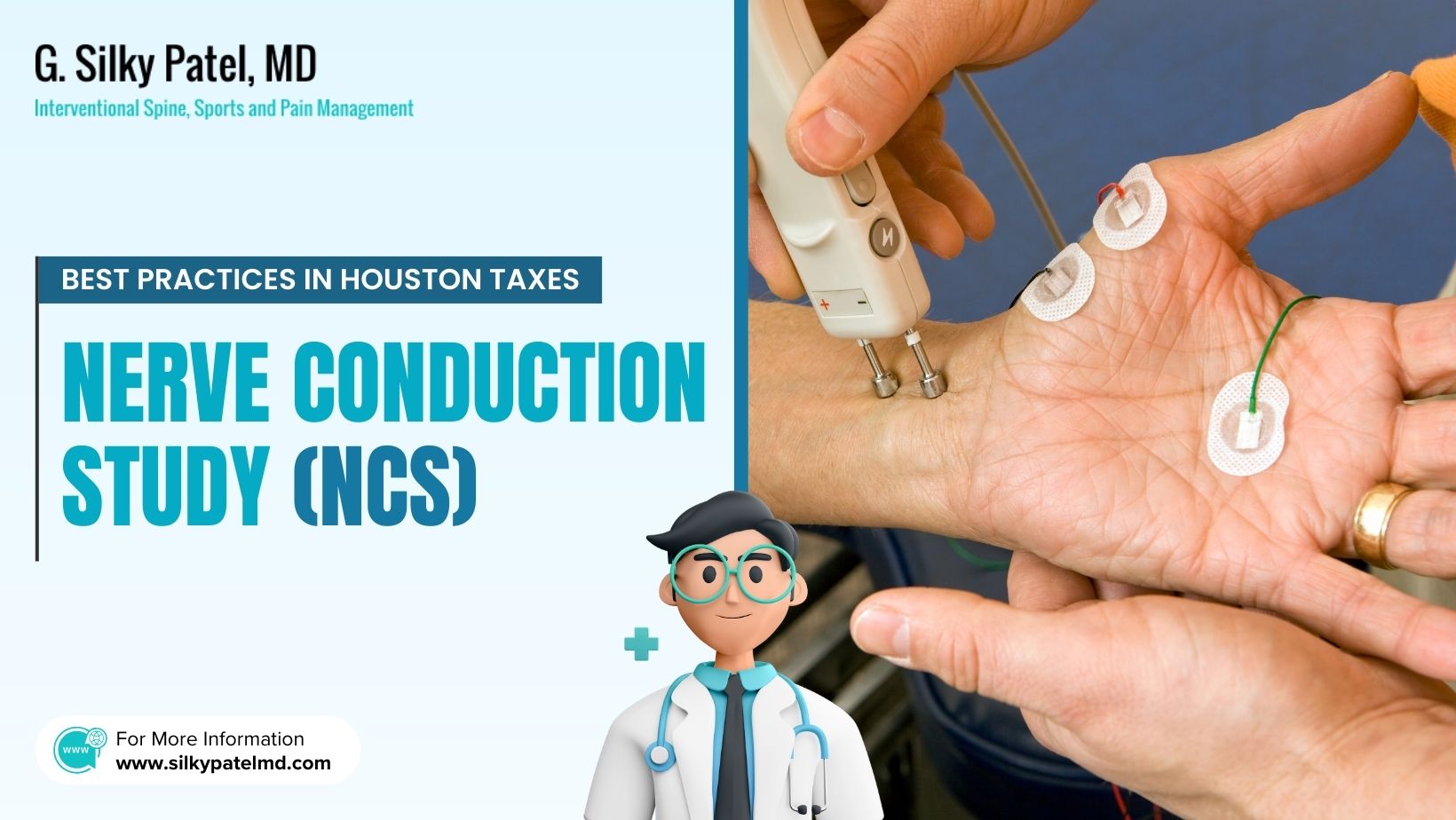
A nerve conduction study involves a methodical process designed to evaluate nerve function precisely. At the start of the procedure, small adhesive electrodes are carefully placed on the skin over specific nerves and muscles. These electrodes serve two key functions: one group delivers mild electrical impulses, and the other records the nerves’ responses to these stimulations. The placement depends on the nerves that require evaluation and the patient’s symptoms.
The nerve conduction test typically begins with delivering brief electrical pulses through the stimulation electrodes. These pulses travel along the nerve fibers, and the response time and amplitude are recorded by the receiving electrodes. The process is repeated for multiple nerves, providing comprehensive data on the nerve pathways. Dr. Silky Patel’s clinic in Houston emphasizes precision and patient comfort during electrode placement and stimulation to obtain reliable information while minimizing discomfort.
How Nerve Damage Evaluation Is Conducted
During the nerve conduction study, the primary focus is on measuring how quickly and effectively electrical signals move through peripheral nerves. By assessing conduction velocity—the speed at which an electrical impulse travels—clinicians can detect nerve damage that may slow or block signal transmission. Amplitude measurements further inform about the strength and integrity of the nerve response.
These electrical characteristics offer clues about possible nerve damage, including demyelination, axonal loss, or compression. This objective nerve damage evaluation complements clinical findings, helping identify the extent and location of nerve dysfunction often implicated in neuropathy and related conditions. Dr. Silky Patel integrates these test results within a broader assessment strategy for patients experiencing numbness and tingling, refining diagnostic accuracy.
Possible Sensations and How Patients Are Monitored
Patients undergoing a nerve conduction study might feel mild sensations such as tingling, tapping, or brief muscle twitches as the electrical impulses stimulate nerves. While the test involves electrical stimulation, the intensity is carefully controlled to remain comfortable and within safe limits. Some areas may be more sensitive, but overall discomfort is usually minimal and transient.
Throughout the testing, Dr. Silky Patel’s experienced team closely monitors patient responses and communicates clearly to ensure that any discomfort is promptly addressed. This attentive supervision not only supports patient comfort but also helps maintain the test’s integrity by minimizing muscle tension and involuntary movements that could affect results.
Comparing Nerve Conduction Study Results and What They Indicate
Interpreting nerve conduction study results involves analyzing whether nerve signals travel at expected speeds and with adequate strength. Abnormalities might manifest as slowed conduction velocity or reduced amplitude, which can suggest nerve damage or dysfunction in the tested area. However, it’s important to understand that these findings do not provide definitive diagnoses on their own; rather, they contribute valuable information alongside physical examination and patient history.
Dr. Silky Patel carefully reviews nerve conduction test outcomes within the full clinical context, ensuring that patients receive a balanced and thoughtful interpretation. This approach underscores that nerve conduction studies serve as one piece of the diagnostic puzzle, supporting personalized evaluation and planning for symptom management in Houston and surrounding areas. Patients seeking comprehensive nerve testing near me can trust in this methodical and patient-focused process to better understand their neuropathy symptoms.
Understanding Your Nerve Conduction Study Results and Next Steps
Decoding Your Test Results
After completing a nerve conduction study, patients receive detailed reports that summarize the electrical activity and conduction speed within their peripheral nerves. Typical results may highlight parameters such as conduction velocity, amplitude of nerve responses, and latency periods. Variations from standard reference ranges can indicate potential issues in nerve function, which may be relevant in neuropathy diagnosis tests. However, it’s important to recognize that these findings do not provide standalone conclusions but instead offer clues about possible nerve damage or dysfunction.
Abnormalities detected through the nerve conduction test can reflect a variety of physiological changes, such as slowed nerve impulses or reduced signal strength, which might correspond with symptoms like numbness and tingling diagnosis. In reviewing these results, Dr. Silky Patel looks for patterns consistent with nerve injury or compression while considering the overall clinical picture. This comprehensive interpretation helps avoid misdiagnosis and provides a foundation for tailored evaluation.
How Dr. Silky Patel Integrates NCS Results into Personalized Care
Dr. Silky Patel combines nerve conduction study findings with a thorough clinical evaluation to develop a personalized approach for symptom management. In her Houston clinic, this means integrating patient history, physical examination, and any additional testing like EMG nerve testing to form a detailed understanding of each individual’s nerve health. The NCS results serve as one pillar in this process, aiding in clarifying the extent and location of nerve involvement as part of a broader neuropathy diagnosis test protocol.
This integrated strategy ensures that care plans reflect not only the test data but also the patient’s unique symptoms and functional challenges. By doing so, Dr. Patel fosters informed decision-making grounded in accuracy and patient-centered priorities, supporting optimal pathways for pain and symptom management without implying cure or definitive repair.
Follow-Up Recommendations and Additional Testing
Depending on the nerve conduction study outcomes and overall clinical context, further diagnostic testing or specialist consultations might be advised. For example, if the nerve conduction test indicates complex or widespread nerve involvement, additional evaluations such as imaging studies or more focused neuromuscular tests can provide complementary information. Dr. Silky Patel carefully assesses when such steps are appropriate, aiming to enhance the understanding of nerve damage evaluation and optimize management strategies.
Regular follow-up appointments may also be recommended to monitor symptom progression or response to any interventions. This ongoing evaluation helps adjust care plans as needed and supports patients throughout their journey in Houston and nearby areas dealing with neuropathy-related concerns.
Patient Empowerment Through Knowledge and Discussion
Open communication about nerve conduction study results and related symptoms is crucial for effective neuropathy management. Dr. Silky Patel encourages patients to ask questions, express concerns, and share updated symptom information during and after their evaluation. Understanding the nuances of nerve testing results empowers individuals to participate actively in their care decisions and collaborate with their healthcare team.
In Houston, patients seeking a neurology clinic near me can look to Dr. Patel’s practice for a supportive environment that values education and transparent discussion. This approach helps demystify the diagnostic process and places patient comfort and understanding at the forefront, enabling better symptom awareness and proactive management of nerve health challenges.
Common Causes of Nerve Damage and When to Seek Nerve Testing Near Me in Houston
Typical Conditions Leading to Nerve Dysfunction
Nerve dysfunction can arise from a variety of underlying conditions, each affecting nerve health in distinct ways. Diabetes is among the most common contributors to neuropathy, where prolonged elevated blood sugar levels can lead to gradual nerve damage. Trauma or injury—whether from accidents, repetitive strain, or surgeries—also plays a significant role by physically compressing or injuring nerves. Additionally, repetitive stress activities, such as prolonged typing or manual labor, may cause nerve irritation or entrapment syndromes like carpal tunnel.
Other factors, including nutritional deficiencies, autoimmune disorders, and certain infections, can impair nerve function, contributing to symptoms often evaluated using a nerve conduction study. In Houston and neighboring areas, Dr. Silky Patel approaches nerve damage evaluation by considering these typical causes within a comprehensive clinical framework, ensuring that each neuropathy diagnosis test reflects individual patient history and symptoms.
Warning Signs That Suggest a Need for Nerve Testing
Recognizing when to seek nerve testing near me in Houston depends largely on identifying key symptoms that may suggest nerve involvement. Persistent numbness, tingling sensations, unexplained weakness, or burning pain in the extremities often signal the need for further investigation. Patients who notice progressive changes or experience difficulty with coordination or balance should also consider evaluation sooner rather than later.
These symptoms can interfere significantly with daily activities and quality of life. Dr. Silky Patel encourages individuals experiencing such warning signs to consult a neurology clinic near me promptly, so that a nerve conduction test and other diagnostic approaches can clarify the underlying cause and guide symptom assessment.
Benefits of Early Diagnosis in Managing Symptoms
Timely nerve conduction studies contribute valuable insights that support early diagnosis and informed management of nerve-related symptoms. Detecting nerve dysfunction early allows for a more nuanced understanding of the nerve damage evaluation and helps guide clinical decisions regarding ongoing monitoring or symptom control strategies.
Although nerve conduction studies do not treat neuropathy directly, they play a crucial role in shaping personalized care plans. By identifying the presence and degree of nerve impairment, patients and providers in Houston can work together to address symptoms effectively and avoid unnecessary delays in evaluation, which may contribute to better overall comfort and function.
How Dr. Patel’s Houston Clinic Supports Patients With Nerve Concerns
At Dr. Silky Patel’s Houston clinic, patients receive a multidisciplinary and patient-centered approach to nerve testing and neuropathy diagnosis tests. Integrating the latest diagnostic tools with thorough clinical assessments, Dr. Patel ensures that nerve conduction studies are part of a broader strategy tailored to each individual’s needs.
Her practice emphasizes clear communication, education, and collaborative decision-making, empowering patients to understand the role of nerve testing in their care journey. Whether addressing numbness and tingling diagnosis or evaluating complex nerve conditions, Dr. Silky Patel’s compassionate approach supports Houston-area patients with comprehensive, thoughtful evaluation and ongoing support.
Advances in Nerve Conduction Study Technology and Techniques in Houston Pain Management
Latest Developments in Nerve Testing Equipment
Technological innovations have significantly enhanced the precision and patient comfort of nerve conduction study equipment in recent years. Modern devices now feature more sensitive sensors and advanced signal processing capabilities, allowing for clearer interpretation of nerve impulses even in subtle or complex cases. Improvements in electrode design have also contributed to minimized skin irritation and more stable contact, which reduces the need for repeated stimulations during testing.
These advancements translate into more accurate nerve conduction tests that can better capture the nuances of nerve damage evaluation. Patients in Houston benefit from shorter procedure times and increased comfort, making the test experience less stressful while supporting high-quality diagnostic data critical to neuropathy diagnosis tests.
Role of Neurodiagnostic Tools in Modern Neurology Clinics
The integration of nerve conduction studies with other neurodiagnostic techniques such as EMG nerve testing and imaging modalities exemplifies the multidisciplinary approach in contemporary neurology clinics. This synergy allows healthcare providers to evaluate nerve and muscle function holistically, offering a richer clinical picture that enhances diagnostic confidence.
At neurology clinics near me in Houston, including Dr. Silky Patel’s practice, this integrated approach ensures that nerve testing near me is not conducted in isolation but as part of a coordinated assessment. Combining multiple data streams supports more nuanced understanding of neuropathy symptoms and underpins personalized care pathways.
Dr. Silky Patel’s Commitment to Using Updated Protocols
Dr. Silky Patel stays at the forefront of emerging nerve conduction study protocols to provide Houston patients with care aligned to evolving clinical standards. Her commitment involves continuous training and adoption of evidence-based techniques that optimize test accuracy while prioritizing patient comfort.
By leveraging the latest technology and refined testing protocols, Dr. Patel ensures that each nerve conduction study carried out in her clinic meets rigorous quality benchmarks. This dedication reinforces her role as Clinical Assistant Professor of Neurosurgery at UT–Houston Medical School and Director of Pain Management at Houston Methodist West Hospital, positioning her practice as a leader in nerve damage evaluation.
How Innovations Benefit Patients Experiencing Neuropathy Symptoms
Innovations in nerve conduction study technology and methodology directly benefit patients experiencing symptoms such as numbness and tingling diagnosis. Enhanced diagnostic accuracy leads to clearer insights into nerve function, which can help guide tailored symptom management strategies specific to each individual’s needs.
Moreover, advancements that reduce test discomfort and procedural duration contribute to a more positive evaluation experience, encouraging patients to seek early assessment when neurological symptoms first arise. In Houston and nearby areas, Dr. Silky Patel’s use of cutting-edge nerve testing fosters informed, compassionate care that respects patient wellbeing while delivering thorough and precise neuropathy diagnosis tests.
A Note from Dr. Silky Patel
As Clinical Assistant Professor of Neurosurgery at UT–Houston Medical School and Director of Pain Management at Houston Methodist West Hospital, I am deeply committed to delivering comprehensive and compassionate care to patients in Houston and surrounding communities who face neuropathy and nerve-related concerns. Nerve conduction studies play a vital role in my clinical approach, providing objective insights into nerve health that help shape individualized care plans tailored to each patient’s unique circumstances.
If you are experiencing symptoms such as numbness, tingling, or other nerve sensations that affect your daily life, I encourage you to seek a professional evaluation to explore your options fully. At my Houston clinic, we prioritize patient education and thorough neuropathy diagnosis tests—including nerve conduction tests and EMG nerve testing—to better understand the patterns of nerve dysfunction. Our goal is to empower you with knowledge and develop a personalized plan that supports your overall wellbeing, addressing your symptoms in a thoughtful and measured way. Together, we can navigate the complexities of nerve health with expertise, patience, and care.