Table of Contents
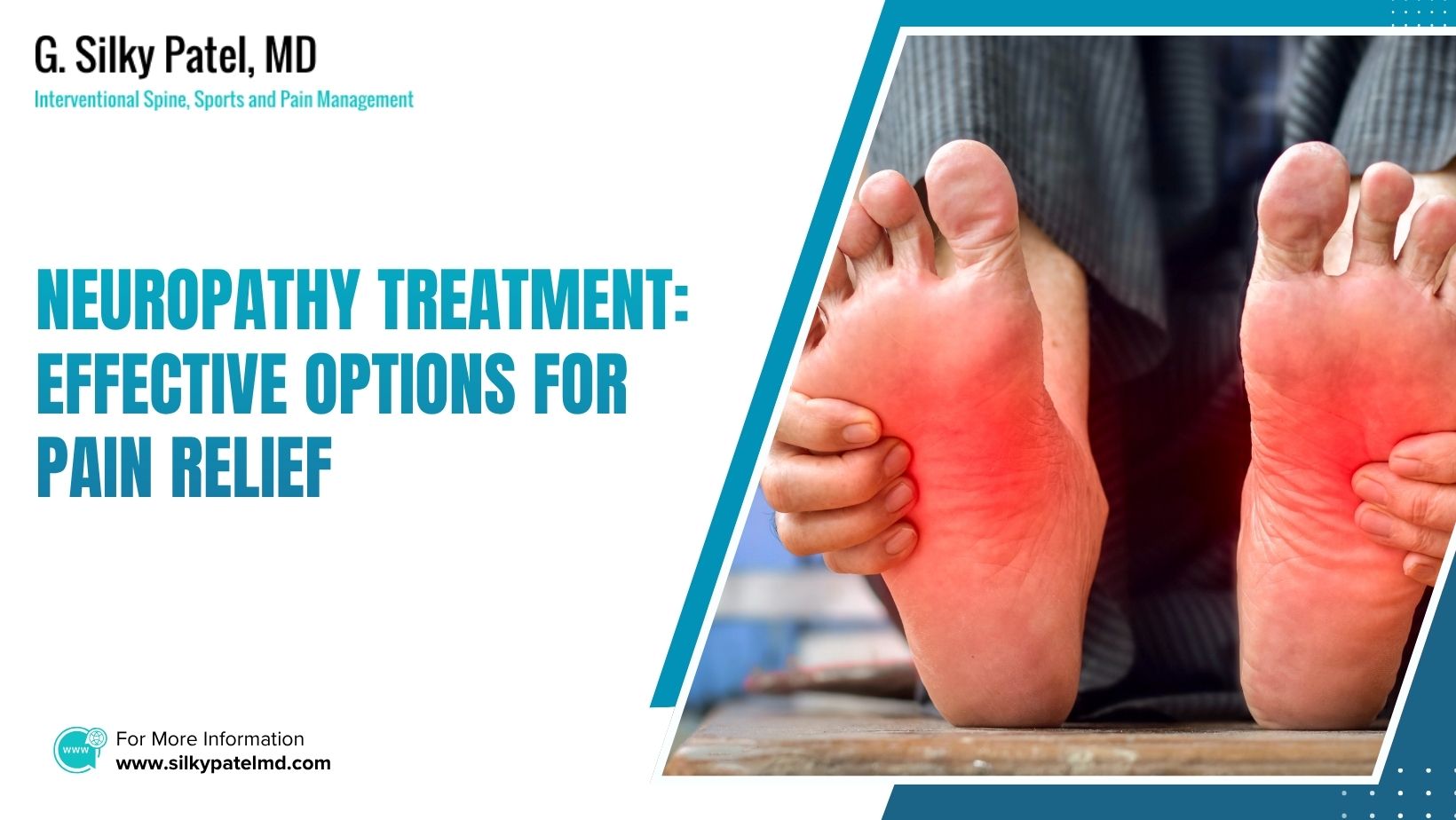
ToggleLiving with neuropathy means facing persistent discomfort that can disrupt simple daily activities. The sensations of tingling and numbness, or sharp nerve pain, often create uncertainty and frustration. For many Houston residents, finding neuropathy treatment that addresses these symptoms in a comprehensive and personalized way is essential.
Dr. Silky Patel understands how varied and complex neuropathy can be. Her approach is rooted in carefully evaluating each patient’s unique condition to recommend nerve pain management strategies that fit their lifestyle and health goals.
Neuropathy treatment is not one-size-fits-all. Patients experience symptoms that range from mild tingling to debilitating pain, making tailored care vital. Those seeking neuropathy treatment near me often discover that Dr. Silky Patel emphasizes a combination of therapies, including non-surgical nerve pain treatment options designed to provide relief without invasive procedures.
For individuals with diabetic neuropathy, specialized diabetic neuropathy therapy helps manage nerve discomfort alongside overall health needs. Dr. Patel’s expertise as both a clinical assistant professor of neurosurgery and director of pain management at Houston Methodist West Hospital supports a high standard of care that is accessible right here in Houston and nearby areas.
Through this guide, readers will gain insight into the available neuropathy treatment options designed for effective symptom control and improved well-being.
Understanding Neuropathy and Its Impact
What Is Neuropathy?
Neuropathy refers to a condition involving damage or dysfunction of the peripheral nerves, which are the nerves outside the brain and spinal cord. These nerves serve vital roles, transmitting signals between the central nervous system and the rest of the body. When affected, neuropathy can cause a variety of uncomfortable symptoms such as tingling, numbness, and sharp or burning pain.
These sensations often begin in the hands or feet but can spread to other areas. Understanding neuropathy’s focus on peripheral nerves is key to recognizing why these symptoms occur and how they disrupt nerve signalling.
The severity and nature of neuropathy symptoms vary widely, which makes patient evaluation crucial. Tingling and numbness relief is frequently a primary concern among those experiencing neuropathy.
For individuals living in Houston and surrounding communities, seeking a nerve doctor near me who specializes in neuropathy treatment can be an important step in addressing these issues thoughtfully and effectively.
Causes and Risk Factors
The causes of neuropathy are diverse, with some of the most common including diabetes, physical injury, infections, and exposure to toxins. Diabetes stands out as a leading contributor, especially in Houston where rates of diabetic neuropathy are notably high.
Elevated blood sugar levels can gradually impair nerve function, leading to the development of diabetic neuropathy. This form requires specialized diabetic neuropathy therapy that integrates symptom management alongside overall metabolic control.
Other risk factors involve autoimmune diseases, vitamin deficiencies, prolonged pressure on nerves, or side effects from certain medications. Additionally, traumatic injuries or repetitive strain can damage peripheral nerves, resulting in symptoms that call for peripheral neuropathy treatment.
Understanding these causes helps guide both diagnosis and selection of suitable nerve pain management strategies.
How Neuropathy Affects Quality of Life
Living with neuropathy affects much more than just physical sensation. The persistent presence of nerve pain, tingling, and numbness can compromise daily activities such as walking, typing, or even dressing.
This loss of normal function often leads to frustration and decreased independence. In some cases, neuropathy causes sleep disturbances, mood changes, and heightened anxiety or depression due to ongoing discomfort.
Dr. Silky Patel recognizes these emotional and physical challenges during her neuropathy treatment consultations in Houston. By addressing not only symptom relief but also the impact on quality of life, she offers patients comprehensive support that looks beyond the immediate pain.
This holistic approach helps patients regain control and confidence despite chronic nerve issues.
Why Early Diagnosis Matters
Early diagnosis is a critical factor in effective neuropathy treatment. Prompt evaluation allows identification of the underlying cause and prevents symptom progression. When patients seek care quickly, especially for unexplained tingling and numbness, a nerve doctor near me like Dr. Silky Patel can implement nerve pain management options tailored to the specific diagnosis.
At her Houston clinics, Dr. Patel uses detailed clinical examinations, patient history, and diagnostic testing to differentiate neuropathy from other conditions. This careful approach ensures an individualized treatment plan that may include non surgical nerve pain treatment options when appropriate.
Recognizing symptoms early not only aids in planning effective neuropathy treatment but also helps patients maintain their function and reduce discomfort over time.
By understanding what neuropathy entails, its causes, and the importance of timely care, patients in Houston and nearby areas are better positioned to pursue treatment options that provide meaningful support for their nervous system health.
Also read: Best Peripheral Neuropathy Treatment in Houston, Texas
Comprehensive Neuropathy Treatment Options
Medical Evaluation and Diagnosis
Effective neuropathy treatment begins with a thorough medical evaluation to understand the specific nature and severity of the nerve condition. Dr. Silky Patel employs a combination of detailed clinical examinations and diagnostic tools to assess nerve function.
These evaluations often include nerve conduction studies, which measure the speed and strength of signals traveling through the nerves, helping to pinpoint areas of dysfunction.
In addition, diagnostic imaging such as MRI or ultrasound may be used to evaluate structural causes that could contribute to symptoms.
Dr. Patel’s methodical approach ensures that the diagnosis reflects the unique presentation of each patient’s neuropathy. This comprehensive evaluation forms the foundation for developing a personalized treatment plan that addresses nerve pain management effectively.
Non-Surgical Nerve Pain Treatment Options
Many patients benefit from non-surgical nerve pain treatment options aimed at reducing discomfort and improving nerve function without invasive procedures. Medication management is a key component, with the use of pain relievers, anticonvulsants, and nerve stabilizing agents tailored to individual tolerances and symptom profiles.
These treatments help alleviate symptoms such as burning and sharp nerve pain. Physical therapy also plays a vital role by improving strength, flexibility, and circulation, which can aid in tingling and numbness relief. Lifestyle modifications including diet adjustments, quitting smoking, and managing weight are encouraged to support nerve health.
Emerging therapies, such as specialized nerve stimulation and targeted physical modalities, are becoming more accessible and show promise in complementing traditional approaches under the care of Dr. Silky Patel.
Focus on Peripheral Neuropathy Treatment
Peripheral neuropathy treatment requires a focused strategy to ease irritation of nerves outside the brain and spinal cord. Dr. Patel prioritizes tailored approaches that specifically address the location and type of peripheral nerve involvement.
This may involve customized physical therapy routines and carefully selected medication regimens designed to minimize symptoms such as tingling and numbness. Managing peripheral neuropathy means addressing both symptom control and functional improvement.
Dr. Patel’s expertise allows her to provide treatment plans that balance these goals, adjusting therapies based on patient feedback and progress to optimize relief and maintain mobility for those in Houston and nearby areas seeking neuropathy treatment near me.
Diabetic Neuropathy Therapy Approaches
For patients with diabetic neuropathy, treatment must incorporate the complexities of diabetes management alongside symptom relief. Dr. Silky Patel emphasizes the importance of integrating diabetic neuropathy therapy with effective blood sugar control to reduce ongoing nerve stress.
This combined approach can help improve nerve pain management outcomes. In Houston—where diabetic neuropathy is increasingly common—therapy often involves close collaboration with endocrinologists and primary care providers to ensure a cohesive plan.
Key strategies include optimizing glucose levels, utilizing medications appropriate for nerve discomfort, and recommending lifestyle habits that support both diabetes and neuropathy management.
Dr. Patel’s specialized knowledge provides patients with compassionate, individualized care designed for the unique challenges of diabetic neuropathy.
Advanced Nerve Pain Management Techniques
Interventional Procedures Available
For patients seeking targeted relief beyond conventional therapies, Dr. Silky Patel offers a range of minimally invasive interventional procedures designed to address nerve pain effectively. These options include precision-guided injections that deliver therapeutic agents directly into affected nerves or surrounding tissues.
Such injections can help modulate nerve signals and reduce inflammation in areas contributing to discomfort. These minimally invasive treatments complement non surgical nerve pain treatment approaches by focusing specifically on the nerves causing symptoms.
Dr. Patel’s expertise ensures these procedures are carefully selected and performed with accuracy to provide relief while minimizing recovery time. Patients in Houston and nearby areas benefit from access to advanced nerve pain management options tailored to their individual neuropathy treatment needs.
Pain Management Programs Customized for Houston Patients
Effective neuropathy treatment often requires a comprehensive pain management program that combines multiple therapies to optimize symptom control and functional support. Dr. Silky Patel develops personalized plans that integrate medication management, physical therapy, and interventional techniques based on each patient’s unique condition.
Ongoing monitoring is critical in optimizing these programs. Regular assessments allow Dr. Patel to adjust treatments over time, ensuring that nerve pain management evolves in response to symptom changes or new challenges. Houston patients appreciate this dynamic approach, which promotes sustained relief and improved quality of life.
Supportive Care and Patient Education
A crucial aspect of neuropathy treatment lies in empowering patients with knowledge and tools to manage their condition effectively. Dr. Patel prioritizes supportive care that helps patients understand the nature of neuropathy and recognize potential flare-ups before they escalate.
Patient education covers lifestyle changes, nutrition, and exercise strategies designed to complement medical treatments and support nerve health. Counseling on activities that minimize nerve strain and promote circulation plays a key role.
By fostering active patient involvement, Dr. Patel’s care extends beyond the clinic into day-to-day life, reinforcing symptom management and wellbeing for those seeking neuropathy treatment near me.
When to Seek Neuropathy Treatment Near Me
Knowing when to seek expert care can significantly impact neuropathy outcomes. Signs such as persistent tingling, numbness, increasing weakness, or worsening pain indicate the need for prompt consultation with a nerve doctor near me. Early intervention can help address symptoms before they markedly affect function.
Dr. Silky Patel’s Houston-based practice offers accessible, comprehensive evaluation and treatment services. Patients in Houston and surrounding communities benefit from her experience in diagnosing complex neuropathies and tailoring effective nerve pain management plans.
Seeking timely neuropathy treatment provides the best opportunity to manage symptoms and maintain daily function with professional guidance.
Choosing the Right Nerve Doctor Near You in Houston
Qualities to Look for in a Neuropathy Specialist
Selecting the right specialist for neuropathy treatment is crucial for effective symptom management and improved quality of life. Expertise in diagnosing diverse forms of neuropathy is fundamental. Because neuropathy can arise from various causes and present differently among patients, a nerve doctor near me must demonstrate a deep understanding of the nervous system and the subtleties of related conditions.
Equally important is a personalized, patient-centered approach. Neuropathy treatment is not uniform—each individual’s experience is unique, and their care should reflect that. A specialist who listens carefully, takes time to evaluate symptoms holistically, and tailors treatment strategies accordingly provides a higher level of care that enhances comfort and function.
Why Choose Dr. Silky Patel for Neuropathy Treatment
Dr. Silky Patel brings an exceptional combination of clinical expertise and community-focused care to patients in Houston and nearby areas. As a Clinical Assistant Professor of Neurosurgery at UT–Houston Medical School and Director of Pain Management at Houston Methodist West Hospital, she combines academic knowledge with practical experience in nerve pain management and neuropathy treatment.
Her approach involves comprehensive evaluation designed to identify the specific nature of each patient’s neuropathy, followed by management options customized for their condition and lifestyle. Dr. Patel’s commitment to patient education and compassionate care supports long-term wellbeing, making her a trusted nerve doctor near me for many Houston residents seeking specialized neuropathy treatment.
What to Expect During Your First Visit
The initial consultation with Dr. Silky Patel begins with a detailed discussion about your symptoms, medical history, and lifestyle factors that may influence neuropathy. This open dialogue helps pinpoint potential causes and guides the diagnostic process. Dr. Patel conducts thorough clinical examinations and may recommend nerve conduction studies or imaging to gain a clear understanding of nerve function and health.
Following diagnostics, Dr. Patel reviews potential treatment pathways that may include both non surgical nerve pain treatment options and interventional therapies tailored to your needs. This collaborative process ensures you understand your choices and feel empowered in the planning of your neuropathy treatment.
Ongoing Care and Follow-Up
Neuropathy management is often an ongoing journey requiring regular monitoring and adjustments to treatment plans. Dr. Silky Patel emphasizes the importance of continued symptom tracking and communication to respond promptly to any changes in condition.
Her Houston-based practice facilitates routine follow-ups to assess progress and refine therapy approaches, helping patients maintain relief and functional ability.
This continuity of care is vital for addressing the dynamic nature of neuropathy symptoms and for providing personalized support as your needs evolve over time. Through this dedicated partnership, Dr. Patel ensures neuropathy treatment remains effective and aligned with your health goals.
A Note from Dr. Silky Patel
Thank you for taking the time to explore this comprehensive guide on neuropathy treatment. Navigating neuropathy and nerve pain management can feel overwhelming, but with knowledgeable support tailored to your individual experience, meaningful relief is possible.
In Houston and the surrounding communities, I am committed to offering personalized neuropathy treatment that prioritizes not only your comfort but also your ability to maintain daily function and overall well-being.
Together, we will create a thoughtful, comprehensive care plan that reflects your unique symptoms and health goals. Whether you are seeking peripheral neuropathy treatment, tingling and numbness relief, or diabetic neuropathy therapy, my approach is rooted in compassion, expertise, and the latest advances in nerve pain management.
Remember, you do not have to face neuropathy alone—help is accessible, and I look forward to partnering with you as you take steps toward better quality of life through attentive, personalized care.